 Custom Teamwear Development Guide
How to Build a Custom Teamwear Colourway Map Before Sampling
A team kit needs a usable map of which colours and components belong to each garment variant, not only a visual mock-up.
Buyer Resource Library
Practical guidance for brands and sourcing teams preparing specifications, samples, approvals, private-label components, production plans, and export-ready apparel briefs.
Custom Teamwear Development Guide
A team kit needs a usable map of which colours and components belong to each garment variant, not only a visual mock-up.
 Hunting Apparel Development Guide
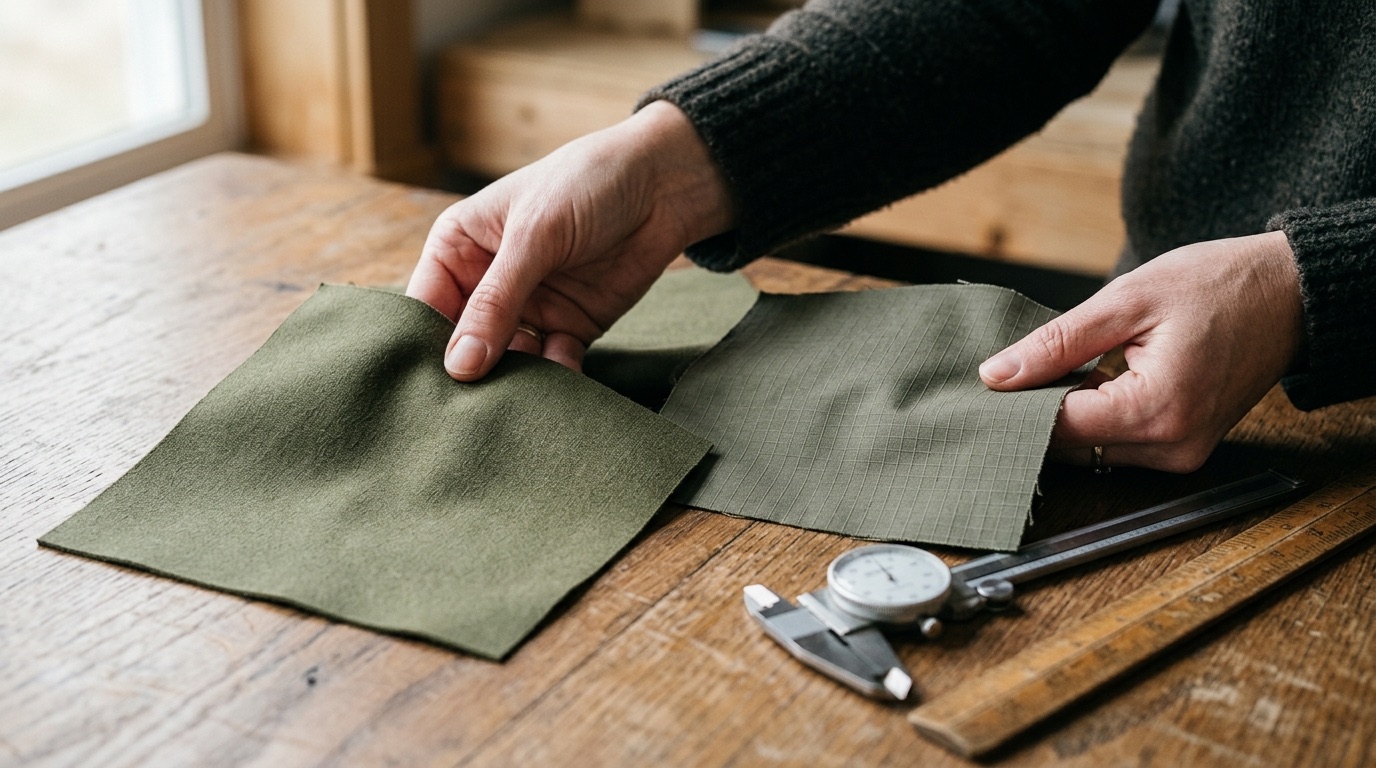
A hunting garment’s shell, lining, closures, reinforcements, and trims need to be considered as one proposed material package.
 Hunting Apparel Development Guide
A camouflage artwork file does not define how its repeat, scale, direction, and key features should sit across a finished hunting garment.
 Custom Teamwear Development Guide
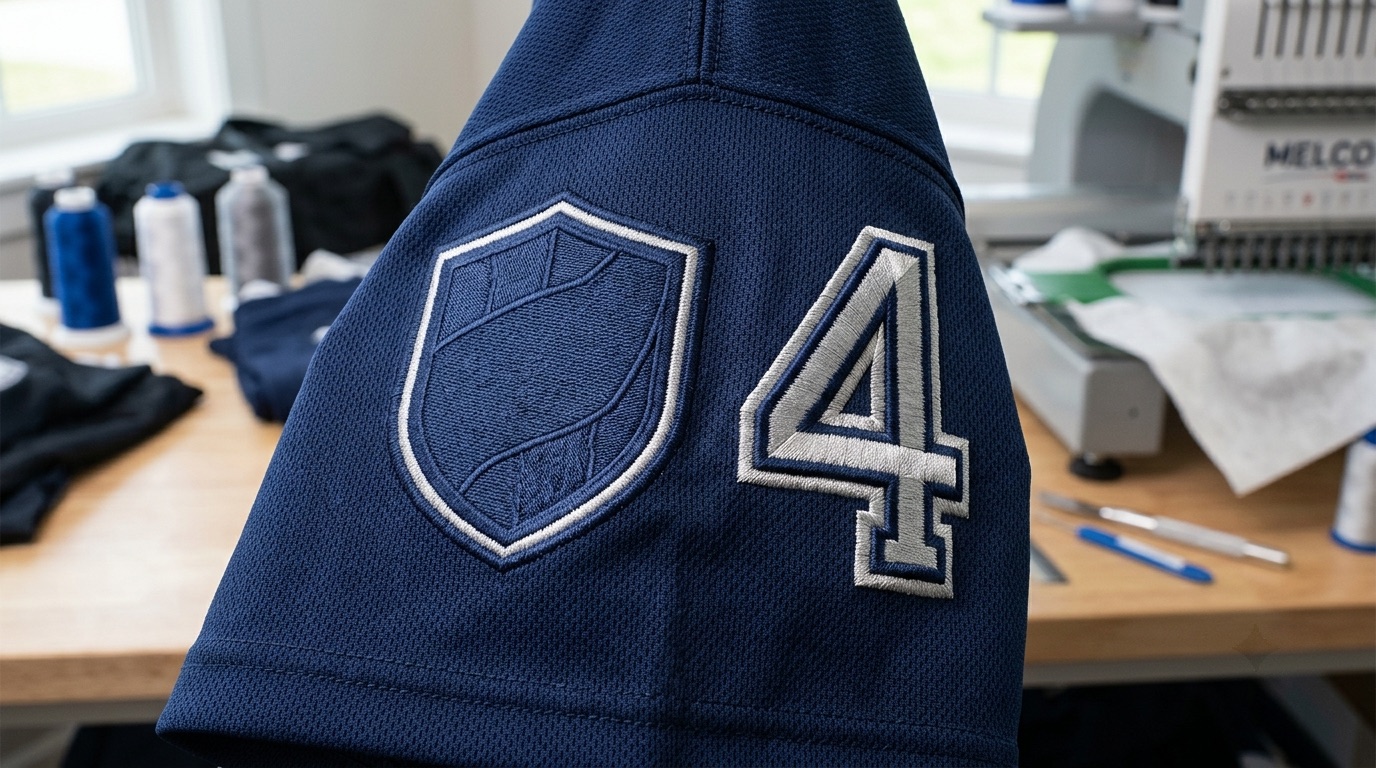
A placement reference turns a visual teamwear idea into instructions that can be checked on every size and colourway.
 Apparel Production Guide
Bulk work is easier to control when every approved decision is gathered into one current handoff pack.
 Apparel Quality Guide
A useful inspection plan explains what to check, how to record it, and what requires a written decision before shipment.
 Private Label Development Guide
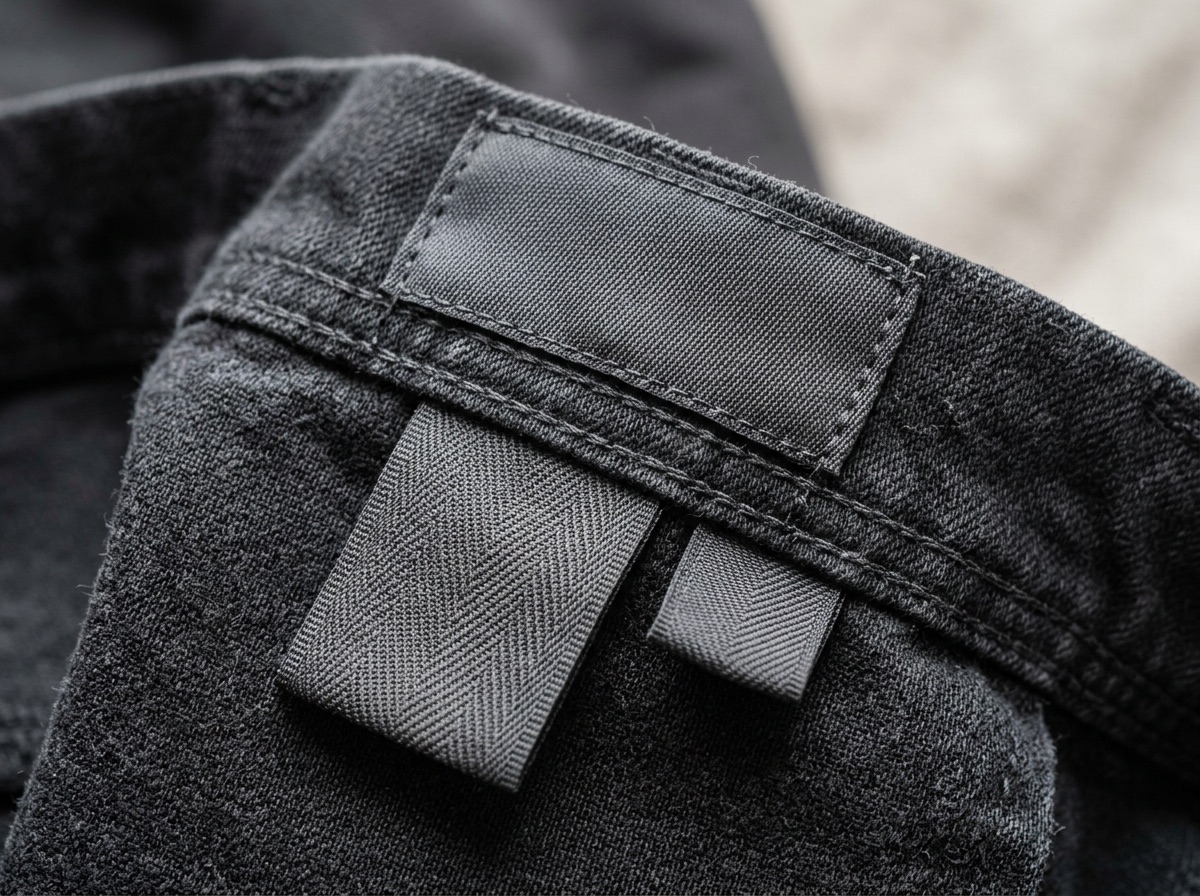
Packaging is part of the product experience and shipment record, so its instructions need the same version control as the garment.
 Apparel Sampling Guide
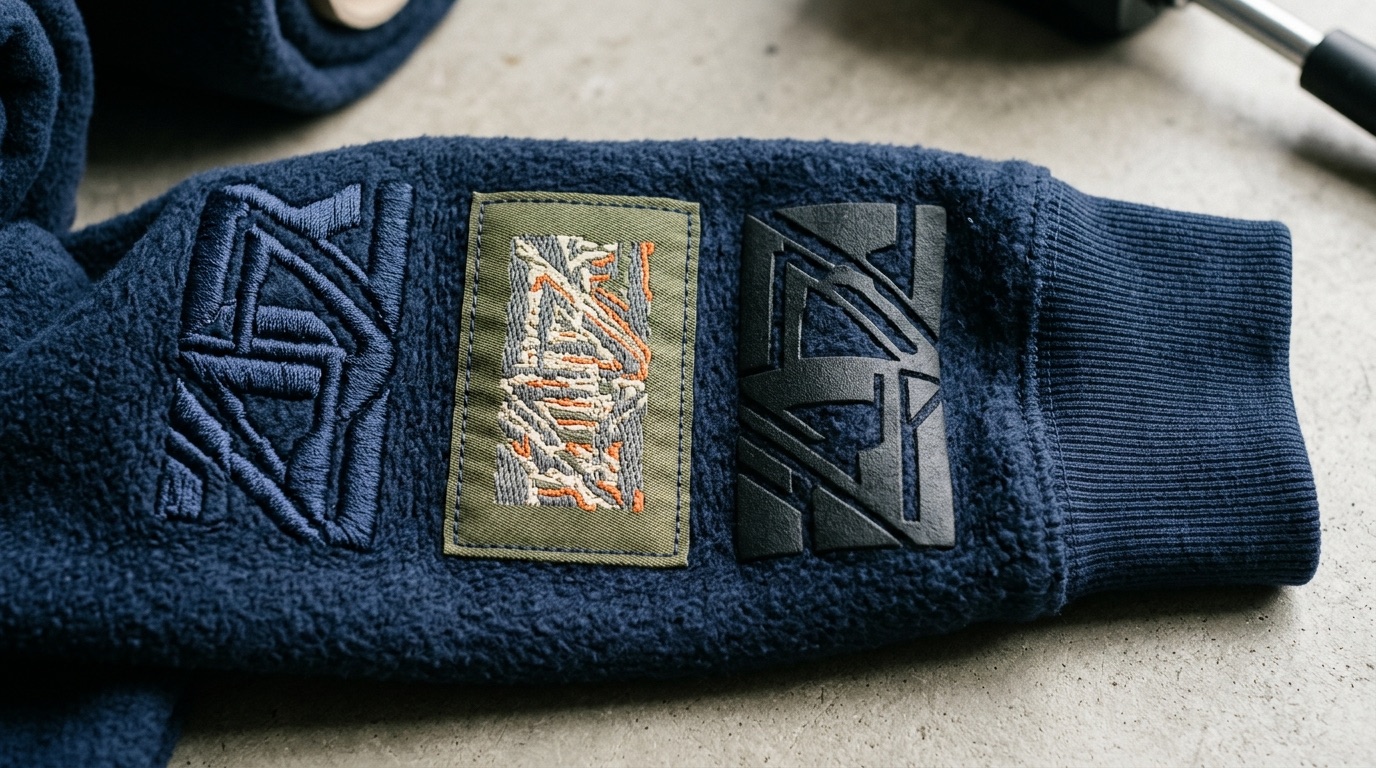
A second sample should answer the open questions from the first one—not restart the approval process from memory.
 Custom Teamwear Development Guide
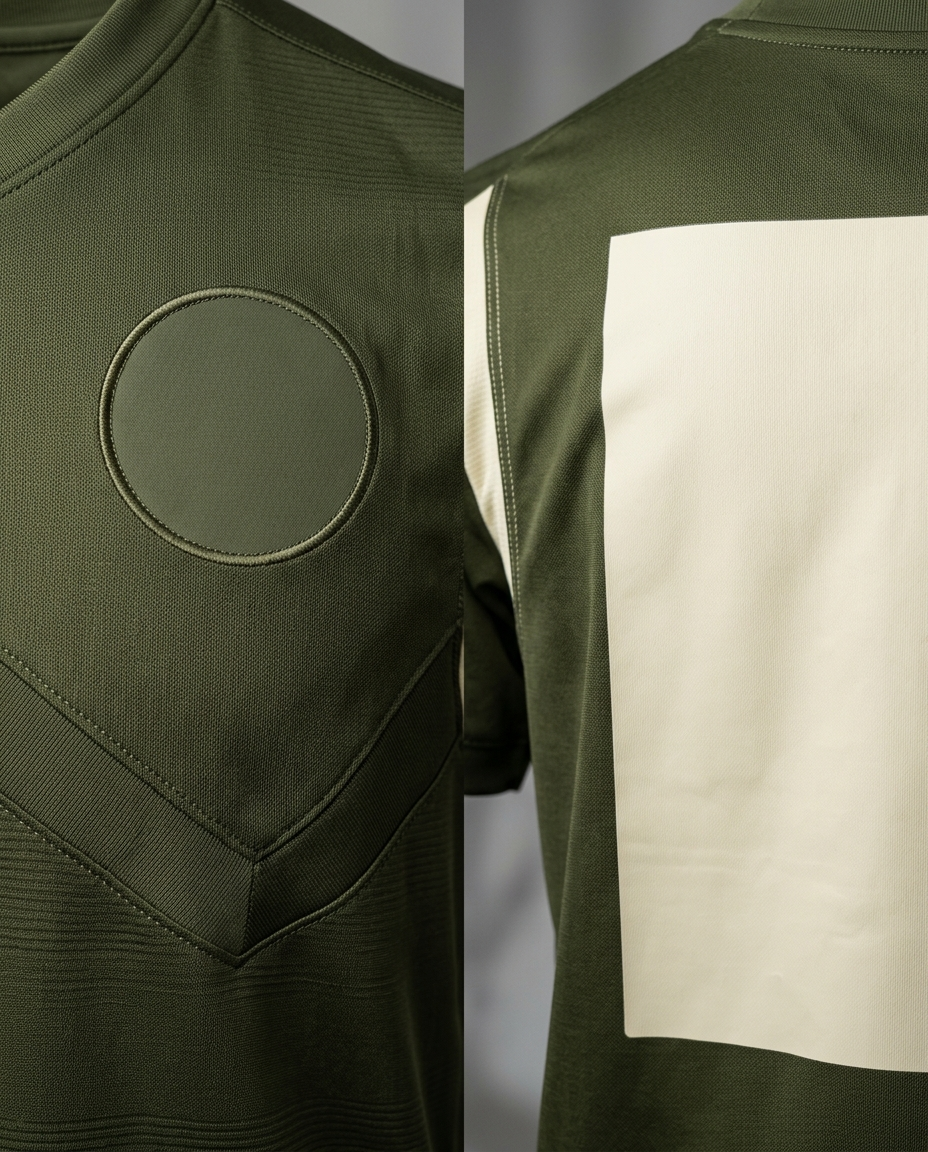
A team kit becomes harder to control when artwork, colours, names, numbers, and sponsor marks are supplied as separate instructions.
 Private Label Development Guide
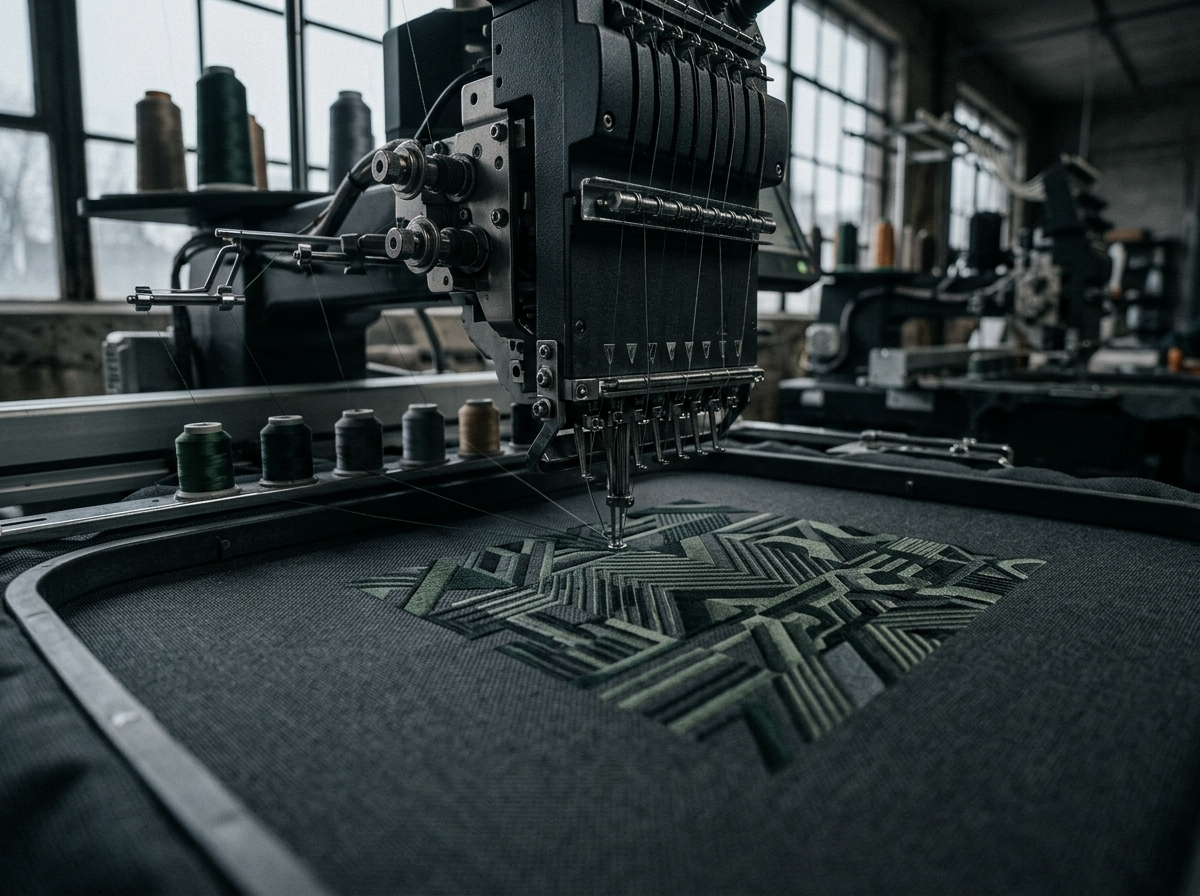
A logo and a label are production components, not final-stage decorations. Define the complete branding system before sampling.
 Streetwear Development Guide
A streetwear launch is easier to control when fit direction and size curve are decided before the sample is treated as final.
 Ski Wear Development Guide
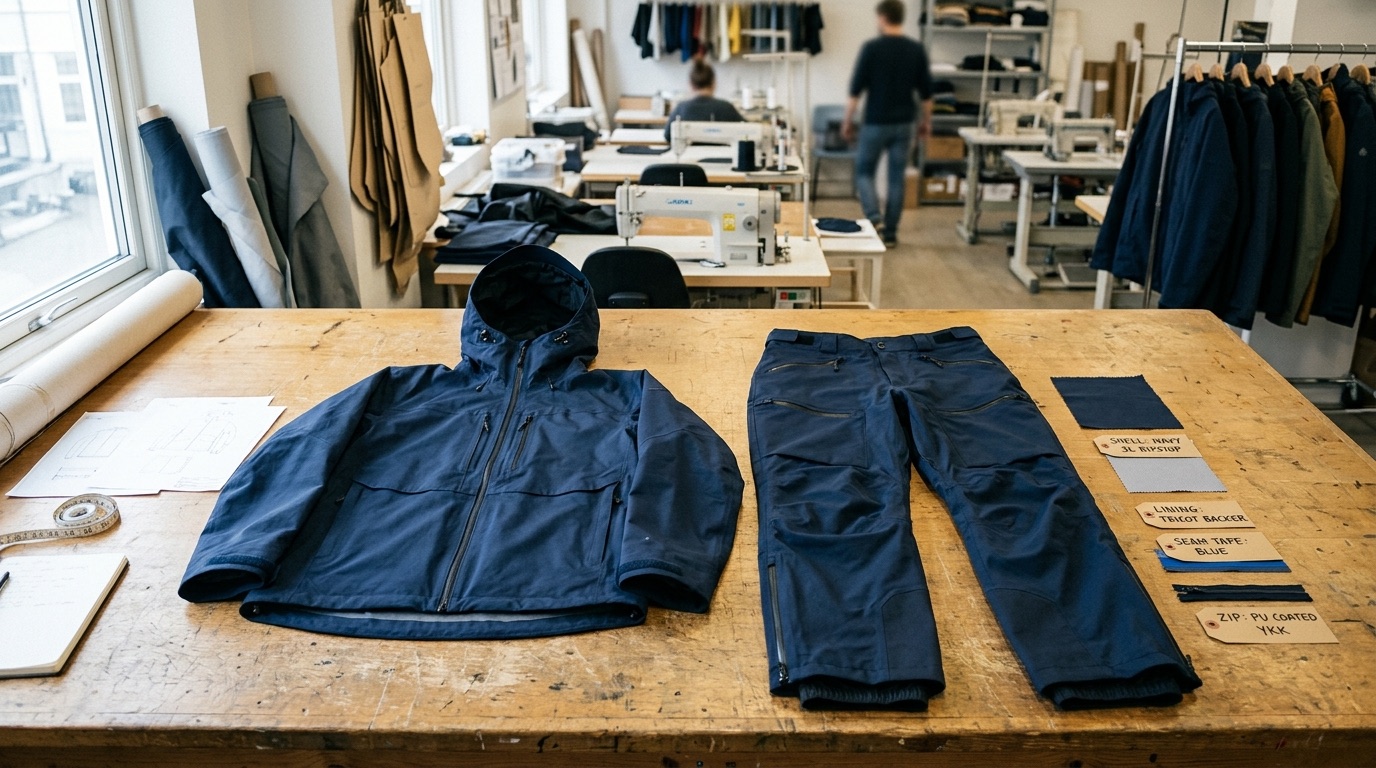
Ski wear should be planned as a layer system, not as separate garments with unrelated fit and component choices.
 Hunting Apparel Development Guide
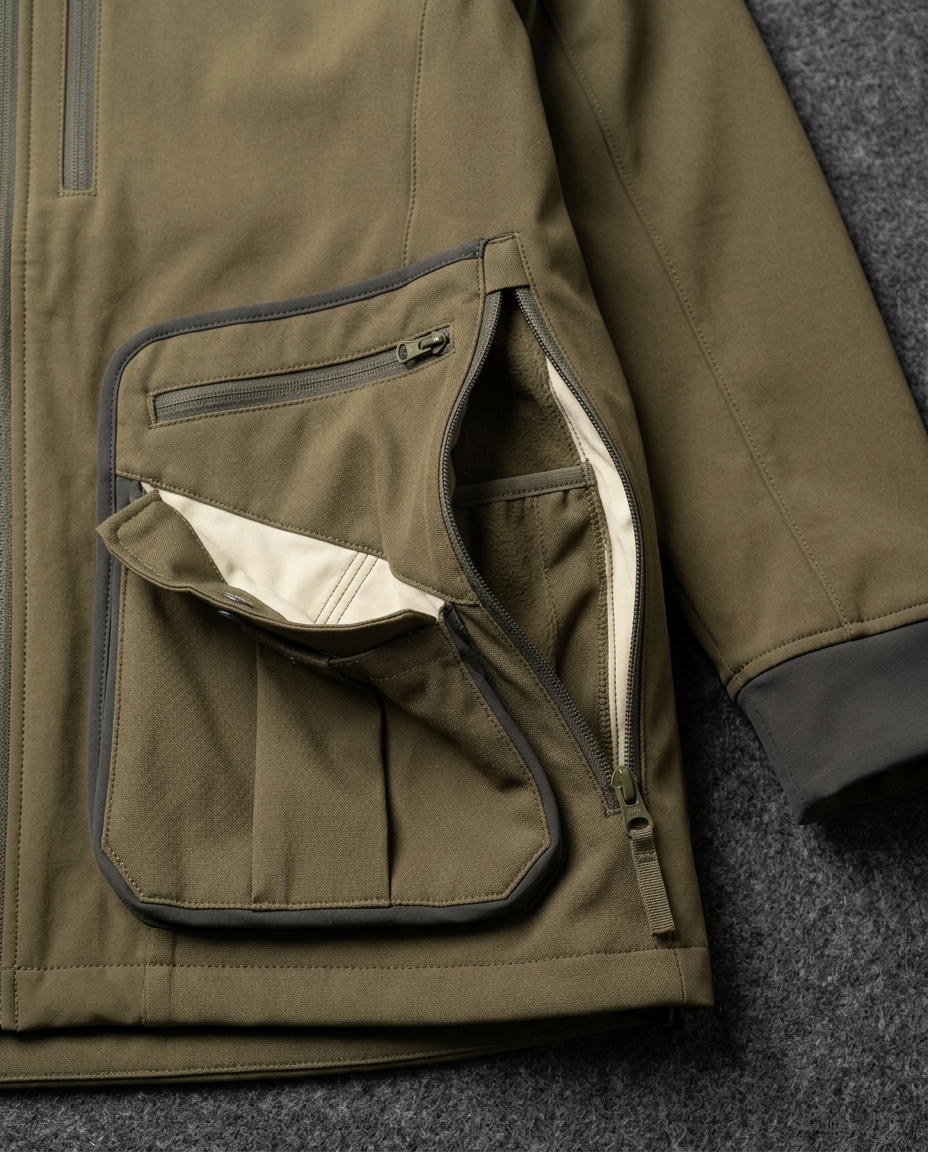
A pocket layout should be planned around what the wearer carries and how it is reached in the field.
 Sportswear Development Guide
Sportswear fabric selection starts with the wearer and activity—not a performance phrase alone.
 Apparel Fit & Construction Guide
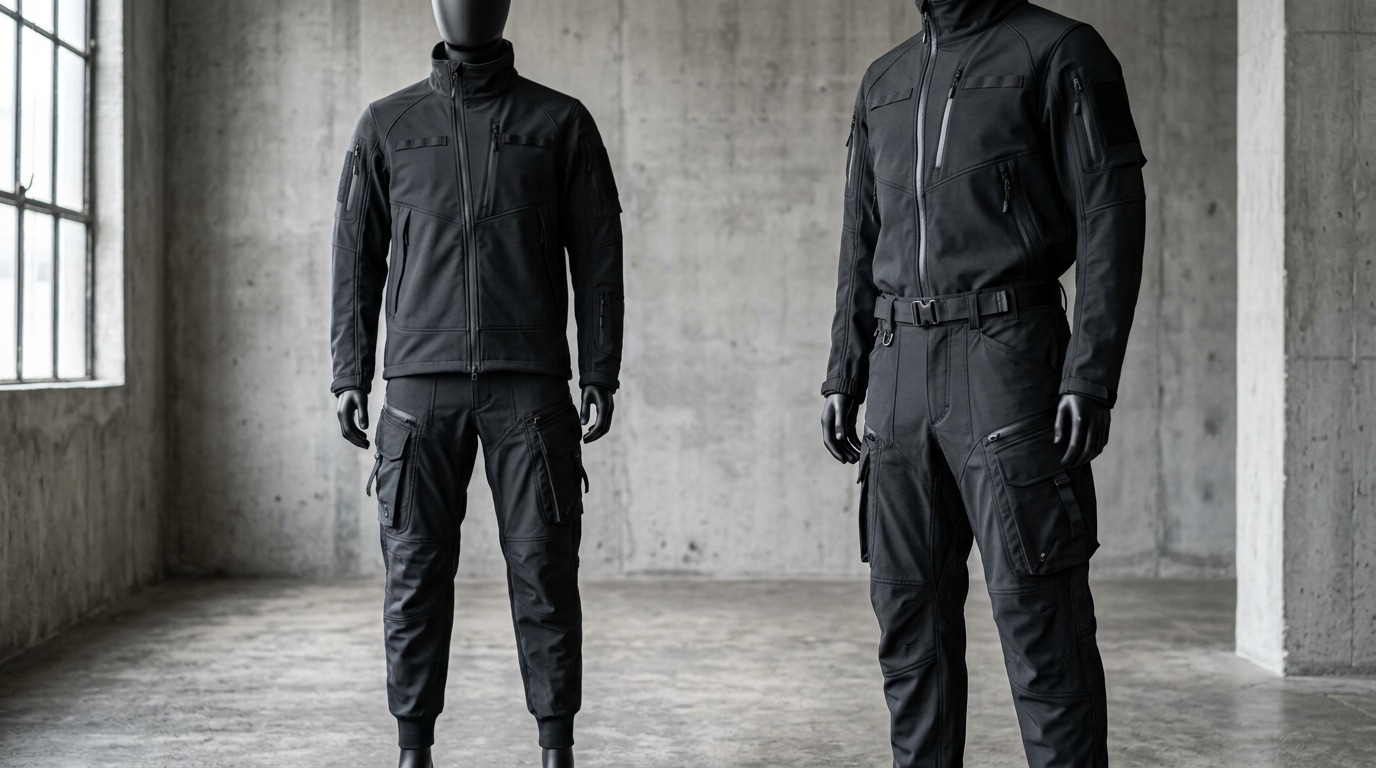
A zippered pocket has to balance access, security, bulk, lining behavior, garment shape, and movement.
 Shipping & Export Guide
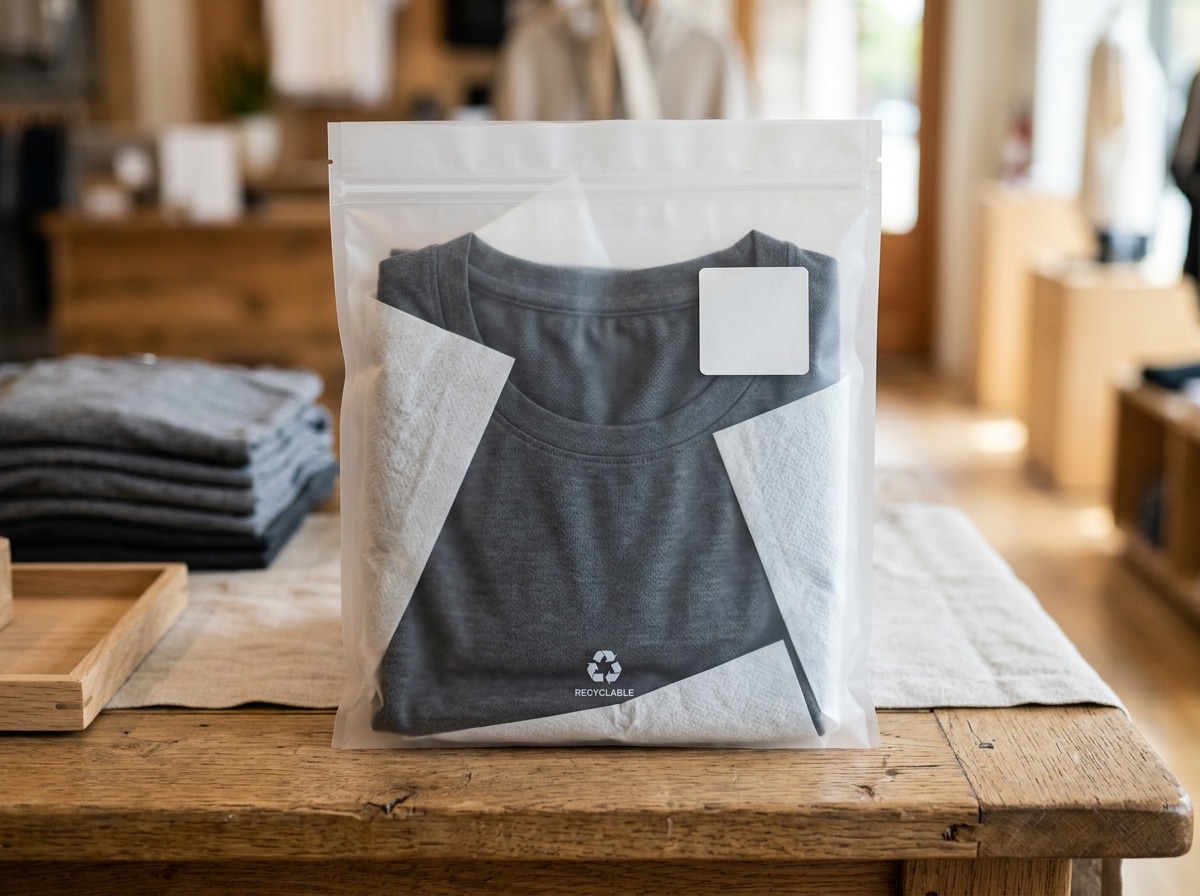
A polybag warning or size sticker must match the garment, packing format, and destination requirements.
 Apparel Fit & Construction Guide
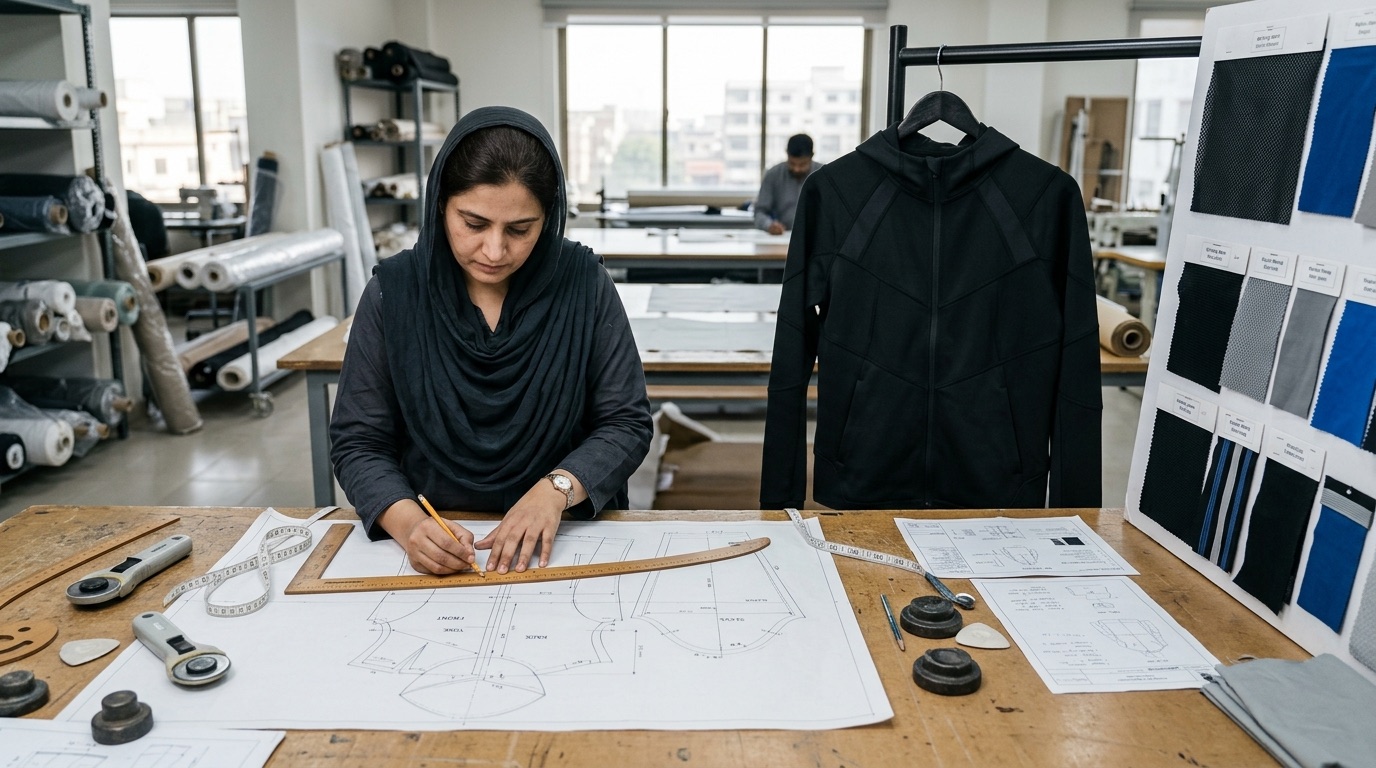
Pocket openings affect access, security, comfort, appearance, and the relationship between body, lining, closures, and decoration.
 Apparel Fit & Construction Guide
Colour blocking looks simple in a sketch but needs construction rules to stay balanced across sizes.
 Apparel Fit & Construction Guide
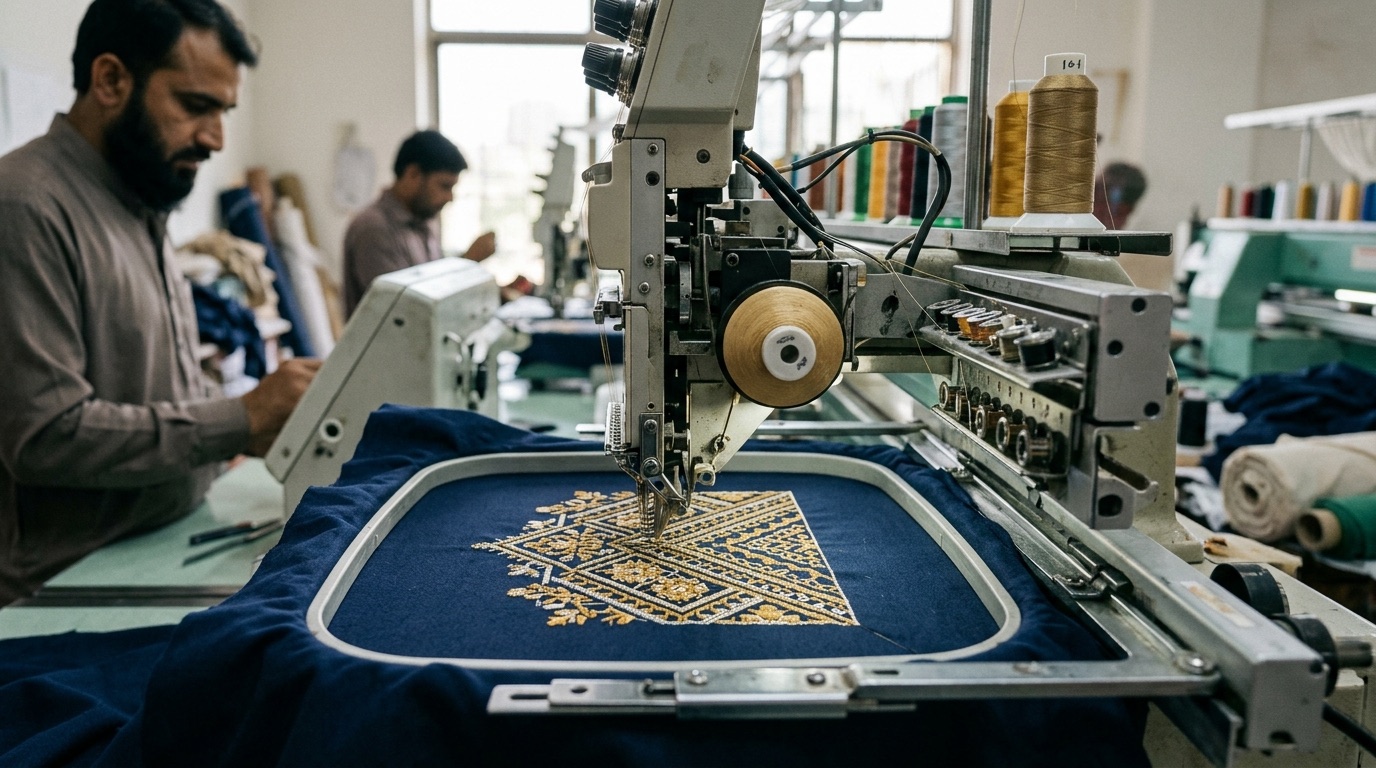
A cuff controls sleeve length, opening, comfort, adjustment, recovery, and the transition between sleeve and hand. A clear specification turns a visual intent into an approvable construction system.
 Apparel Fit & Construction Guide
A shoulder seam or yoke determines how the garment hangs, carries layers, joins the sleeve and neckline, and keeps its intended balance. A controlled specification connects pattern references, construction, fitting evidence, and production controls.
 Apparel Fit & Construction Guide
A placket or front opening affects dressing, fit, coverage, closure alignment, layering, reinforcement, and the garment's visual balance. A controlled specification connects opening intent, pattern, components, construction, evidence, and bulk controls.
 Apparel Fit & Construction Guide
A waistband and rise control where bottoms sit, how they move, how they recover, and how the garment balances through the hip, seat, inseam, and hem. A controlled specification connects fit intent, patterns, materials, construction, evidence, and bulk controls.
 Apparel Fit & Construction Guide
A hem controls finished length, balance, garment hang, movement, recovery, and the relationship between the body, sleeve, leg, lining, and closure. A controlled specification connects hem shape, materials, construction, fit, and approval evidence.
 Apparel Fit & Construction Guide
A sleeve must work with the armhole, shoulder, body, layers, movement, and intended silhouette. A controlled specification connects pattern shape, ease, articulation, construction, fit evidence, and bulk controls.
 Production Planning Guide
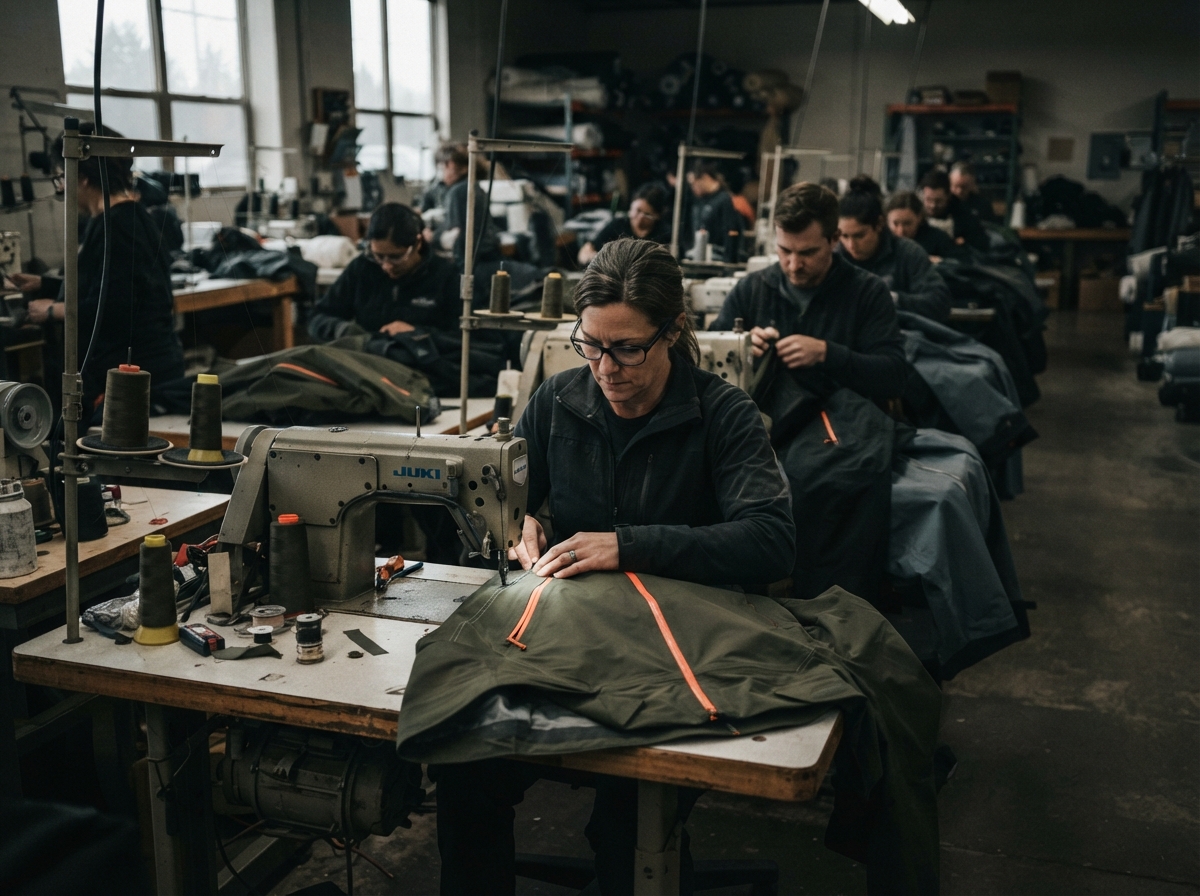
Bulk production should begin from a complete approved package—not a sample with unrecorded exceptions.
 Apparel Fit & Construction Guide
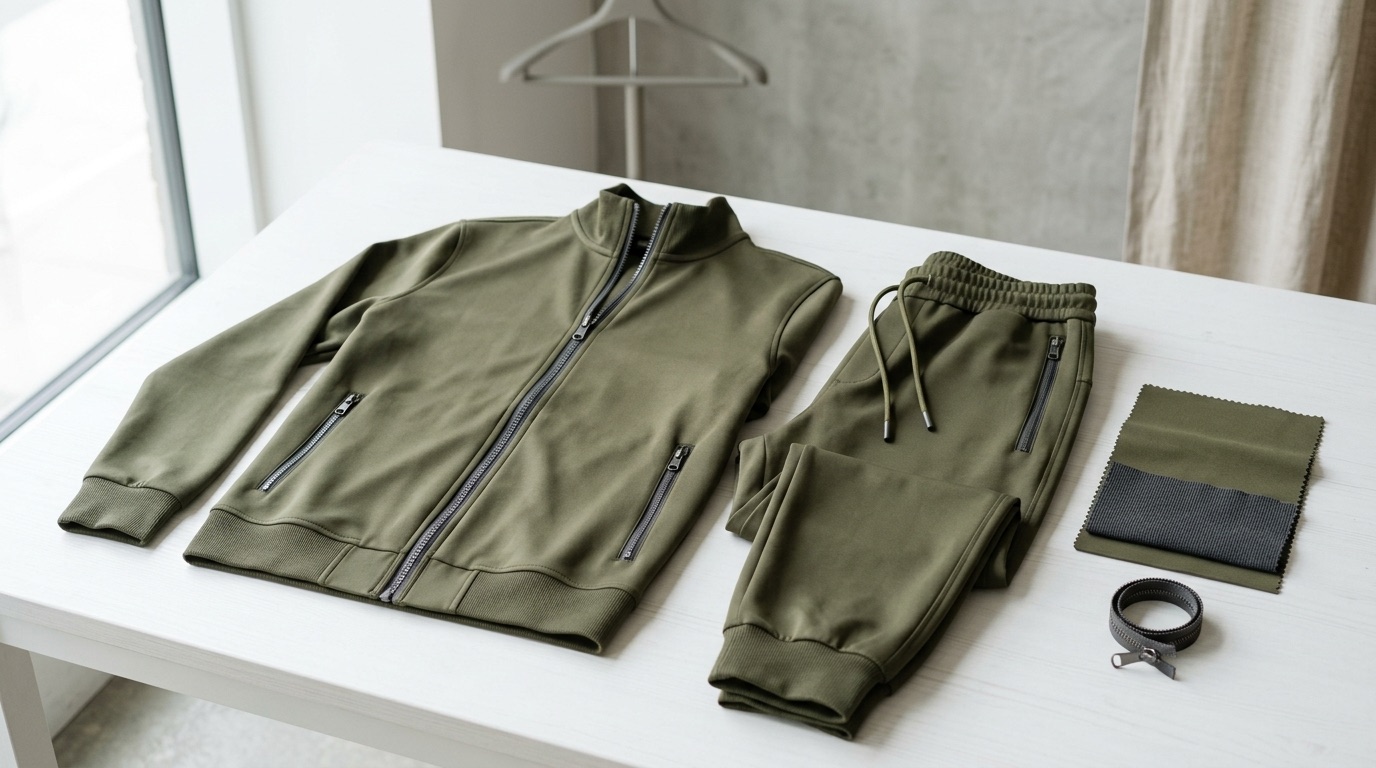
A collar must agree with the neckline, closure, layers, movement, material behavior, and intended silhouette. A controlled specification connects collar type, shape, measurements, support, construction, fit, and approval evidence.
 Apparel Trims Guide
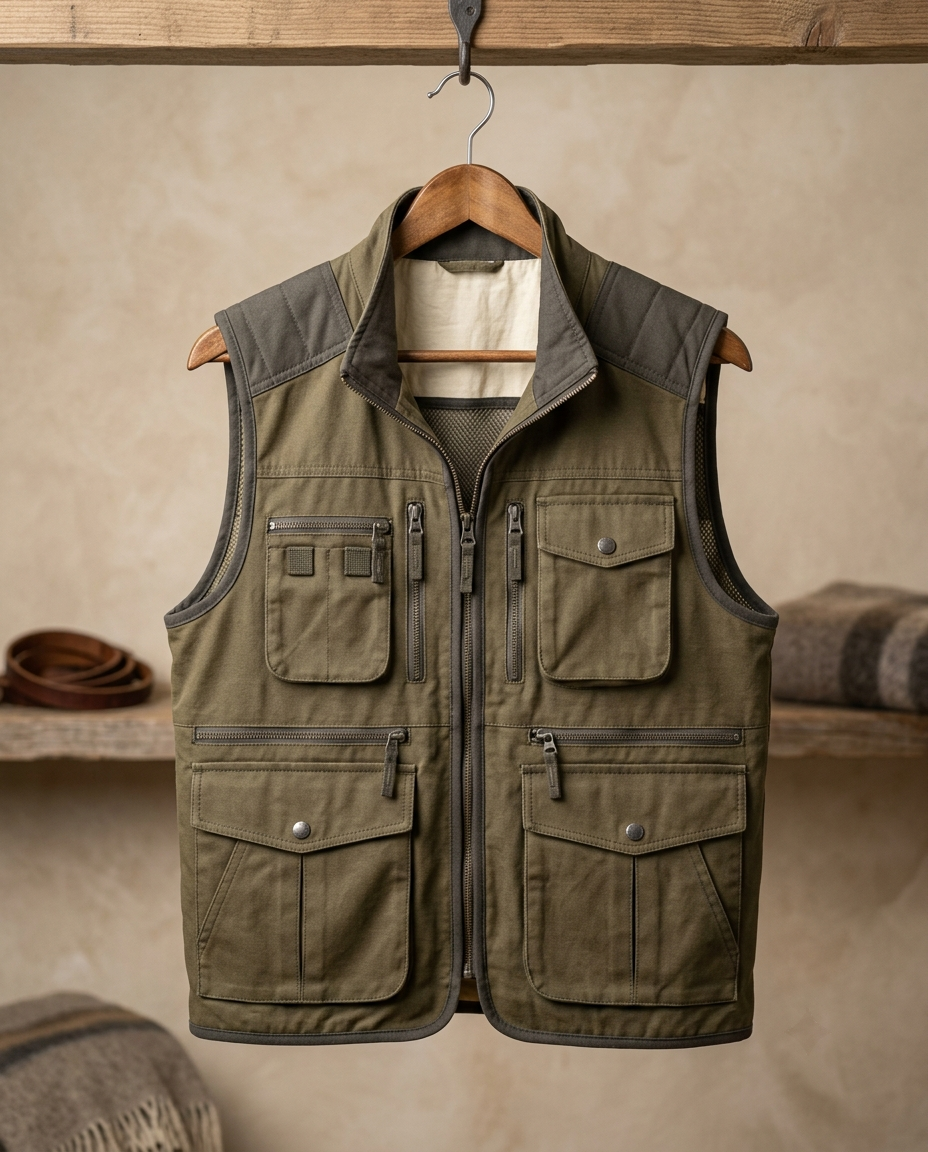
A snap fastener is a fitted closure system, not a single generic trim. A controlled specification connects every cap, socket, stud, post, material layer, placement, reinforcement, setting operation, and approval result.
 Technical Outerwear Guide
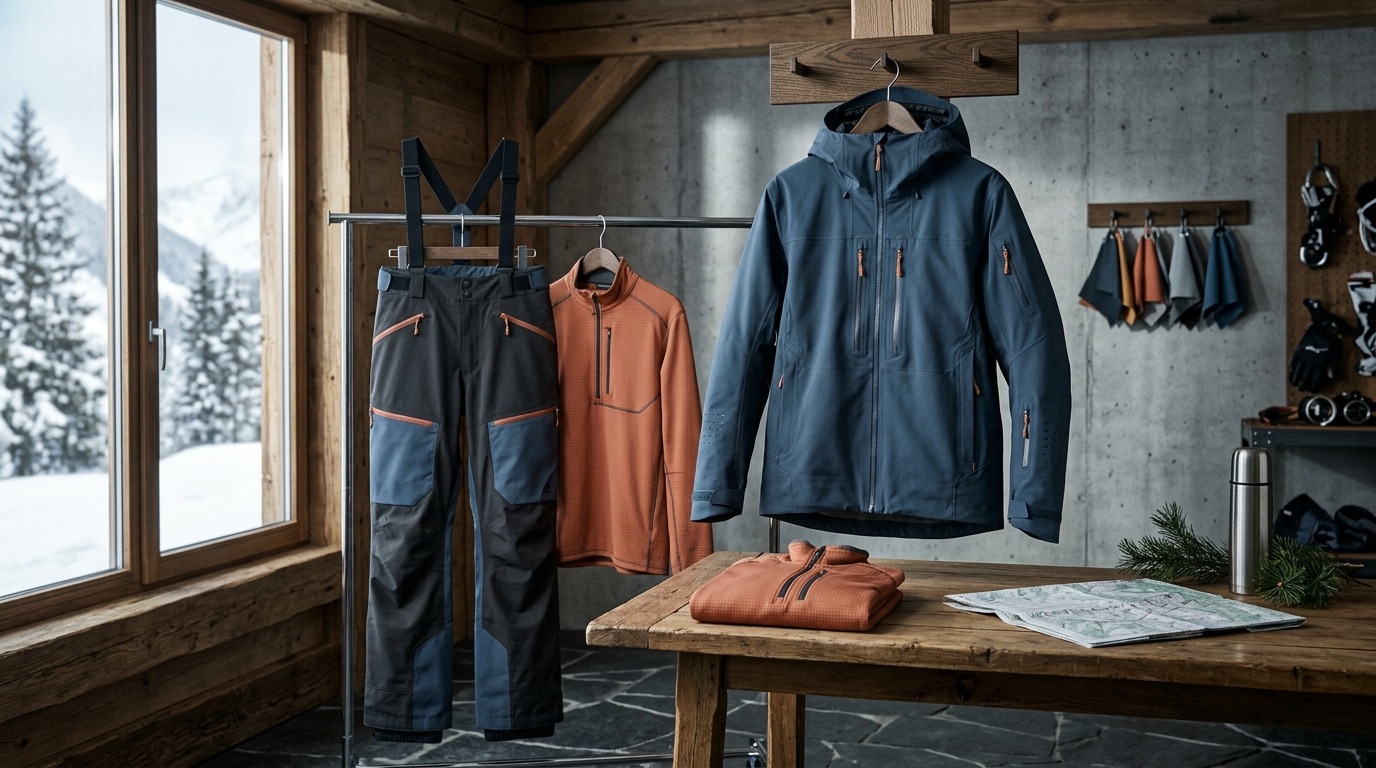
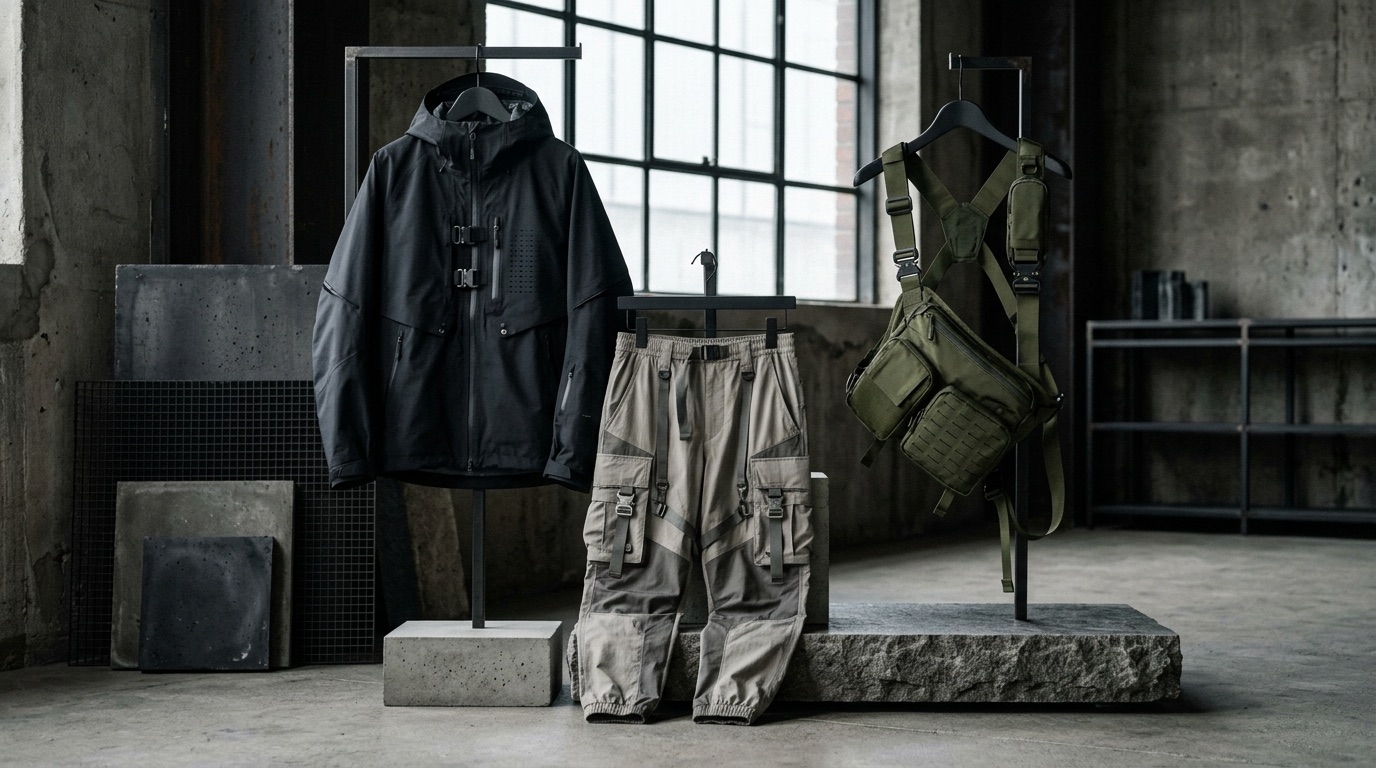
A hood must work with the wearer's head, collar, layers, movement, visibility, and adjustment system. A controlled specification connects shape, coverage, opening, materials, construction, hardware, comfort, testing, and sample evidence.
 Apparel Construction Guide
A zipper is a complete opening system, not one generic trim. A controlled zipper specification connects chain, tape, slider, puller, stops, length, installation, reinforcement, operation, appearance, testing, and sample evidence.
 Apparel Construction Guide
A bartack is not a substitute for a complete load-path decision. A controlled reinforcement map connects every stress point to the surrounding material, pattern, construction, stitch, appearance, testing, and sample evidence.
 Apparel Development Guide
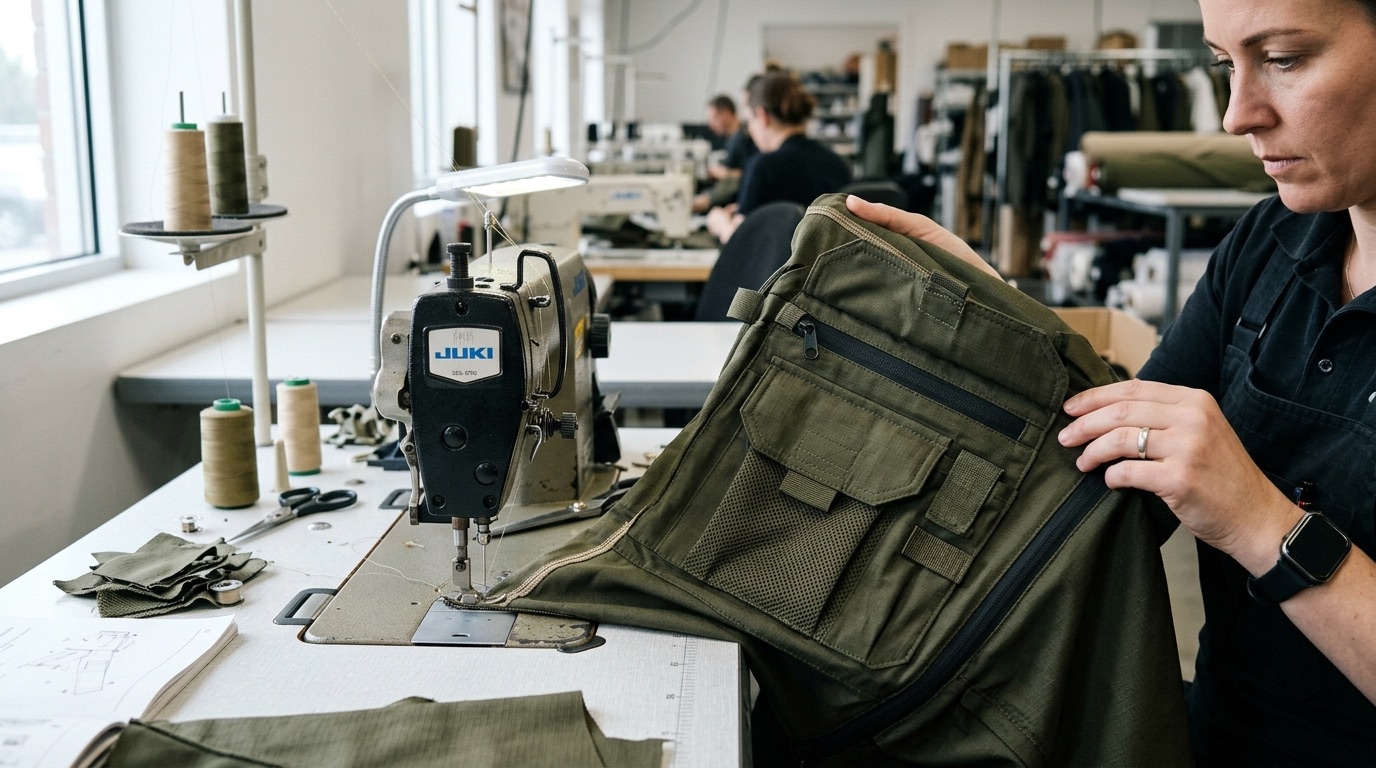
A lining or pocket bag is part of the garment system, not a hidden generic fabric. A controlled specification connects every internal zone to material, pattern, movement, construction, comfort, storage, testing, and sample evidence.
 Apparel Fit & Construction Guide
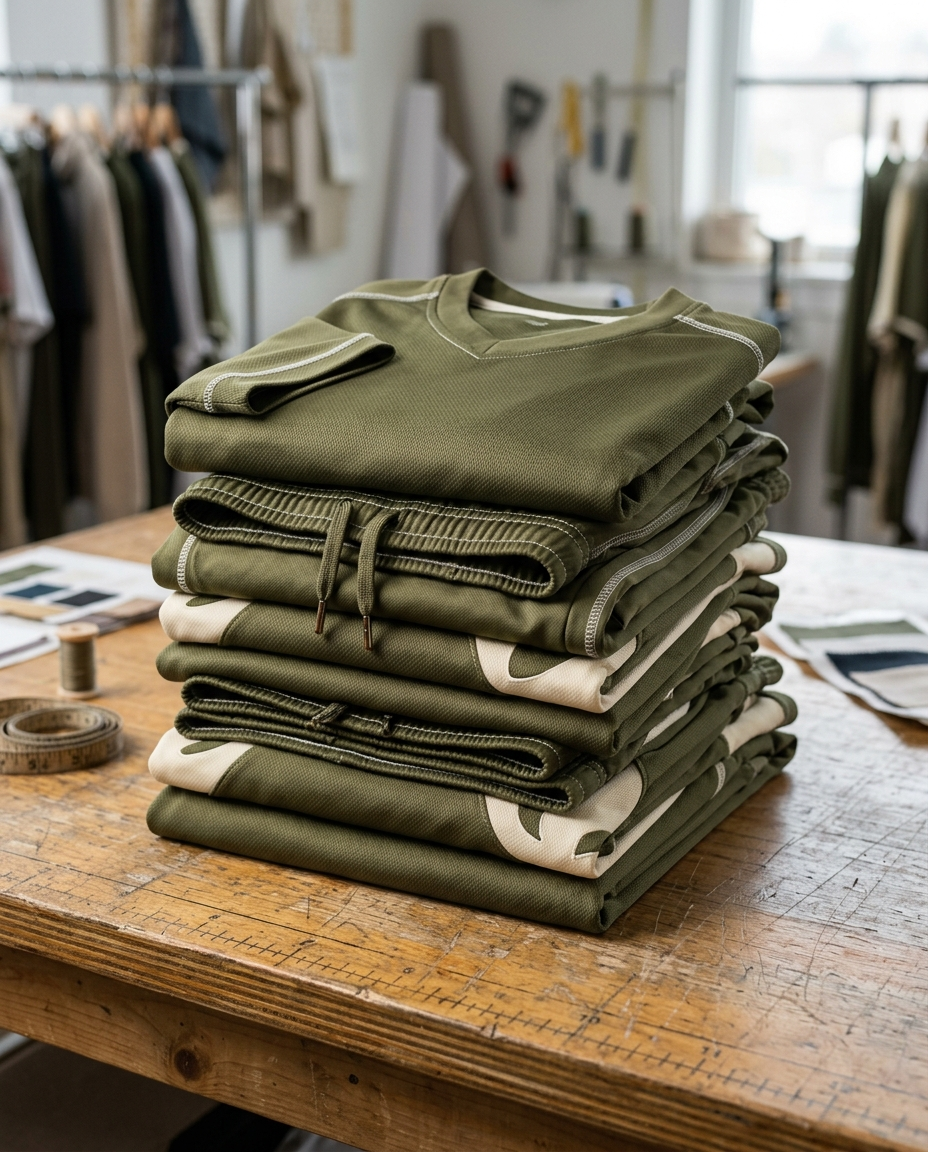
A measurement table is only reliable when the point, condition, and tolerance are understood the same way.
 Apparel Development Guide
An elastic waistband or drawcord is a complete fit and adjustment system, not a generic trim. A controlled specification links every component to the garment opening, wearer use, construction, measurements, tests, and approved sample.
 Apparel Development Guide
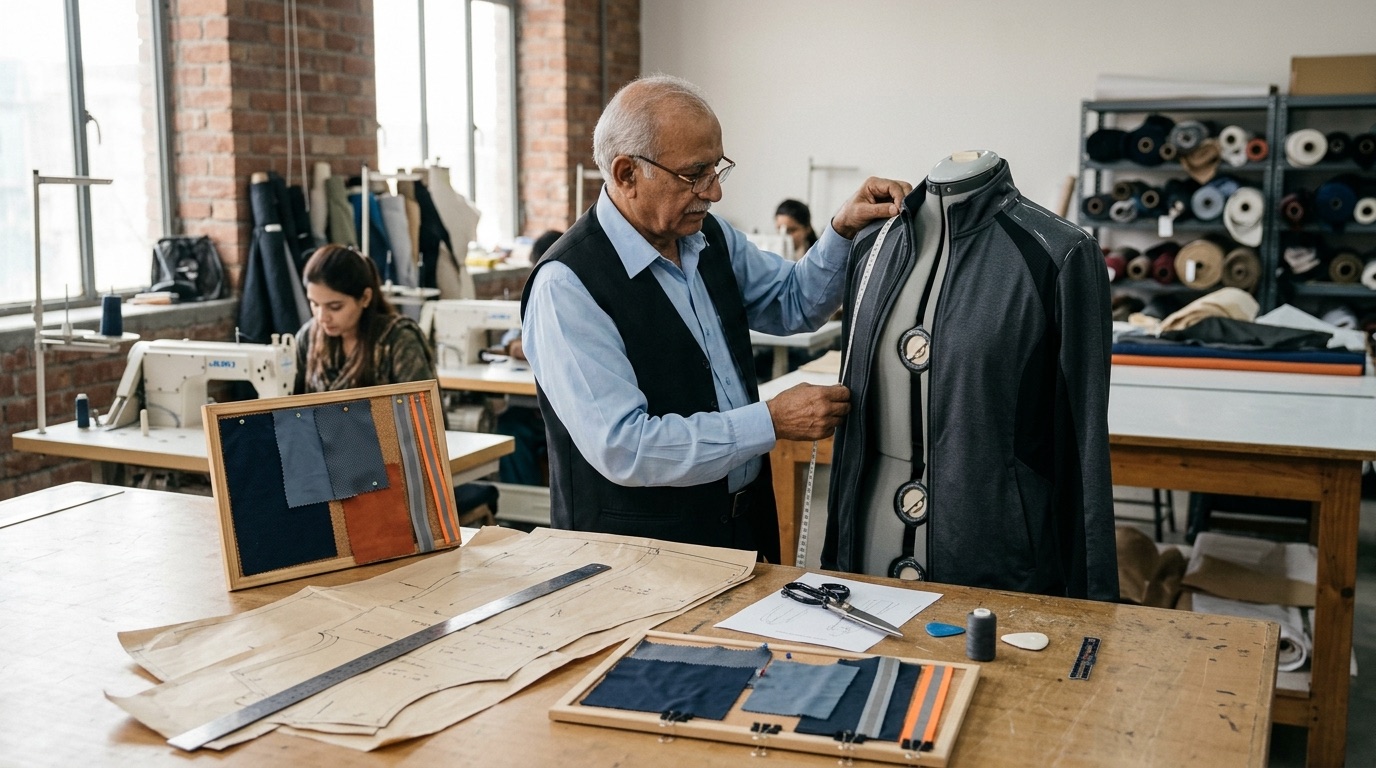
Interlining should support the intended shape without creating stiffness, bubbling, strike-through, shrinkage, or edge marks. A controlled approval links every fused zone to the correct shell, pattern, process, test, and sample evidence.
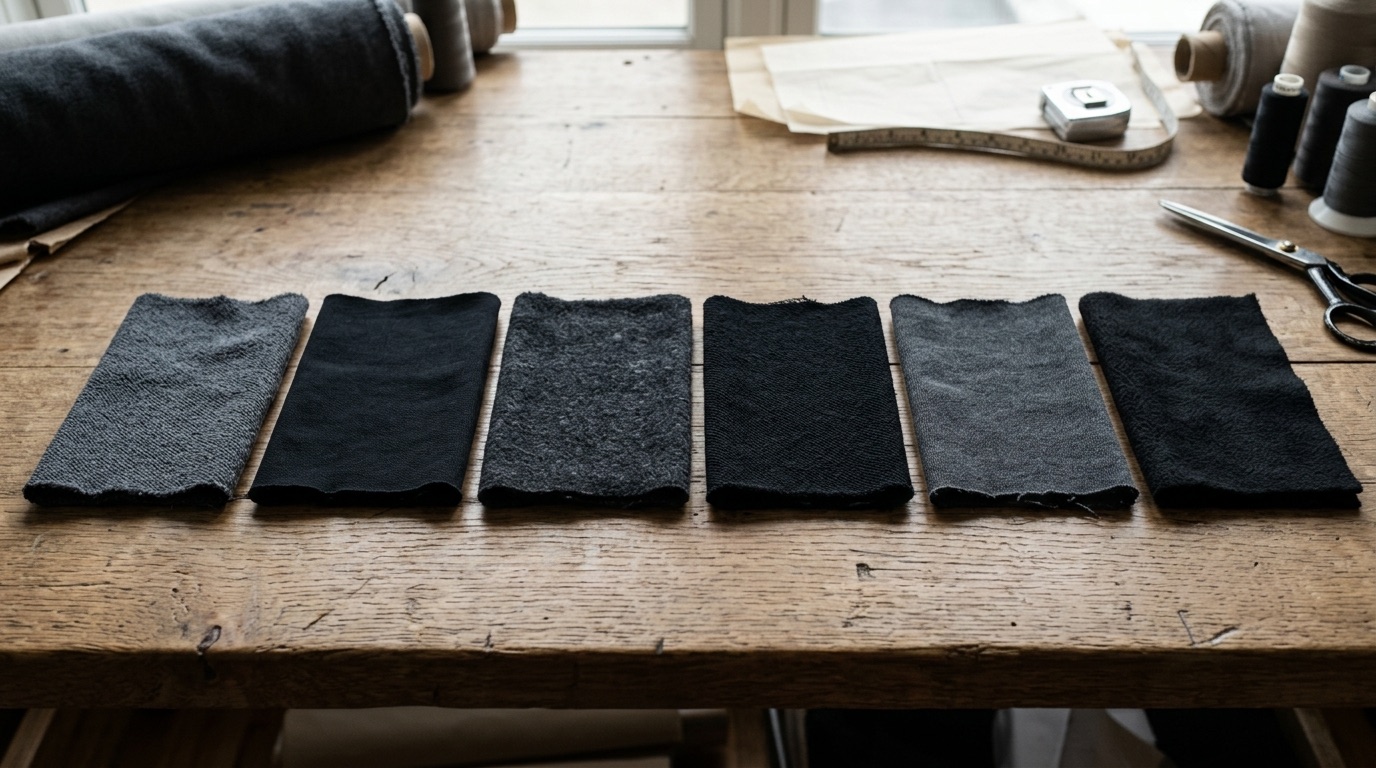 Streetwear Guide
A wash name or reference photo cannot define a repeatable garment finish. Buyers need an approved physical standard, measurable boundaries, component checks, and a clear route for shade variation, dimensional change, defects, and bulk release.
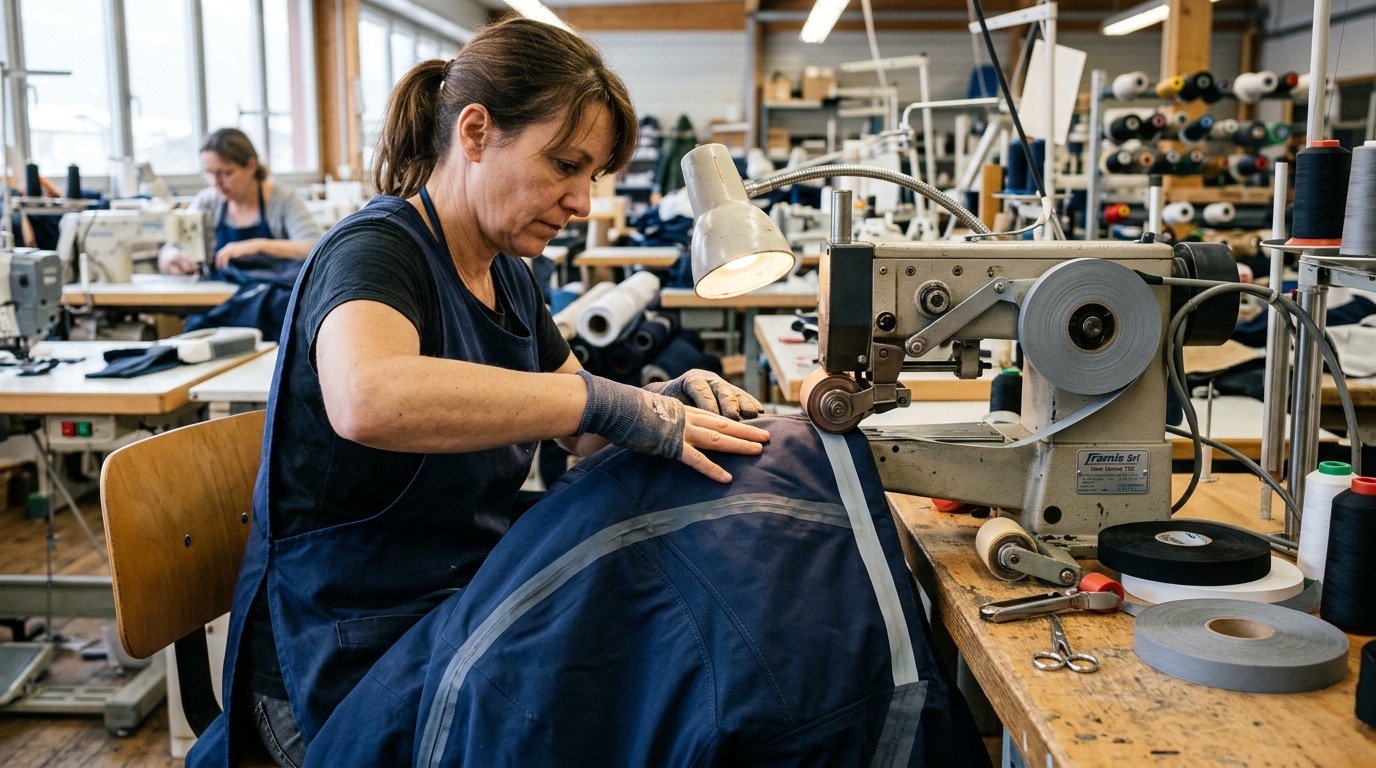 Ski Wear Guide
A sealed-seam instruction needs more than a note saying fully taped. Buyers should define which seams are covered, which material and tape system applies, how intersections and repairs are handled, and what evidence releases the sample to bulk.
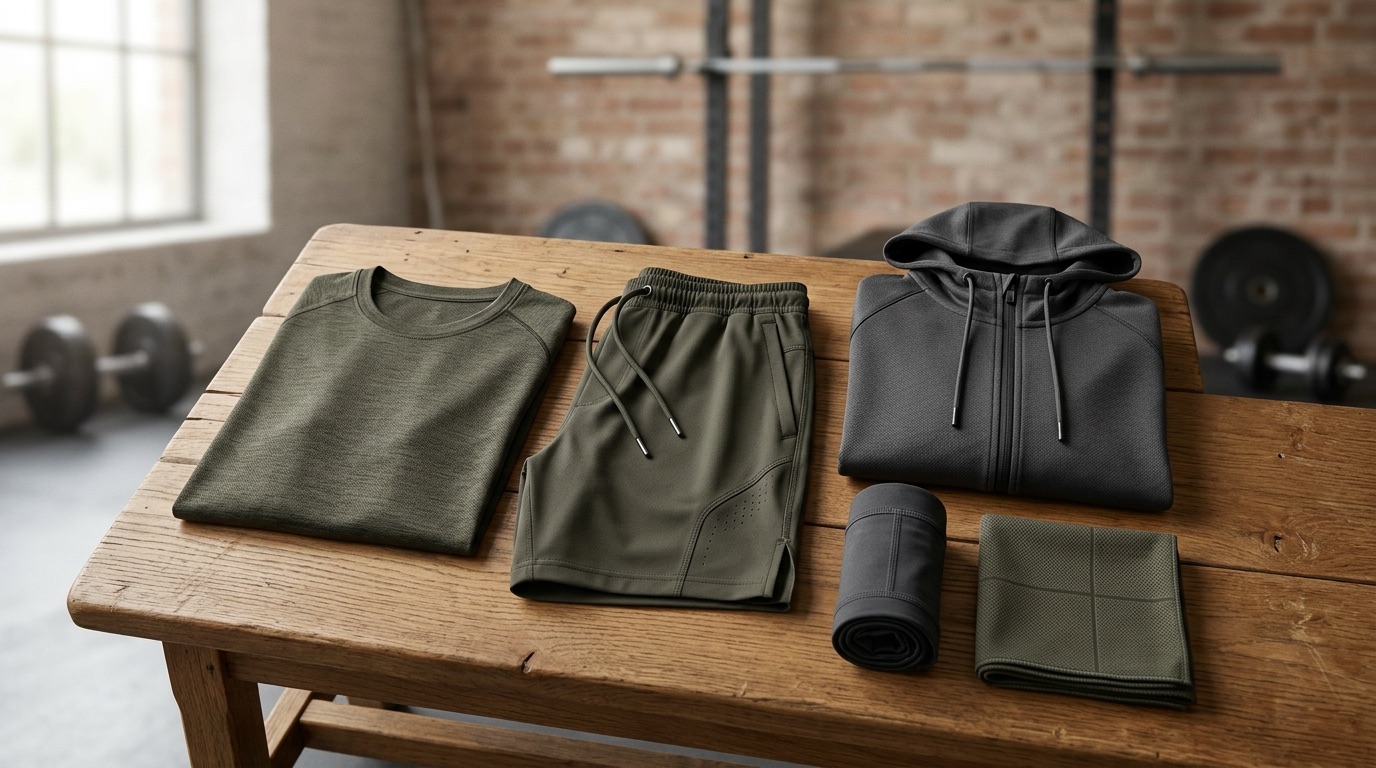 Sportswear Guide
A mesh panel should solve a defined product need without creating unwanted transparency, distortion, chafing, weak seams, or artwork conflicts. Clear zone and material specifications make the sample easier to evaluate.
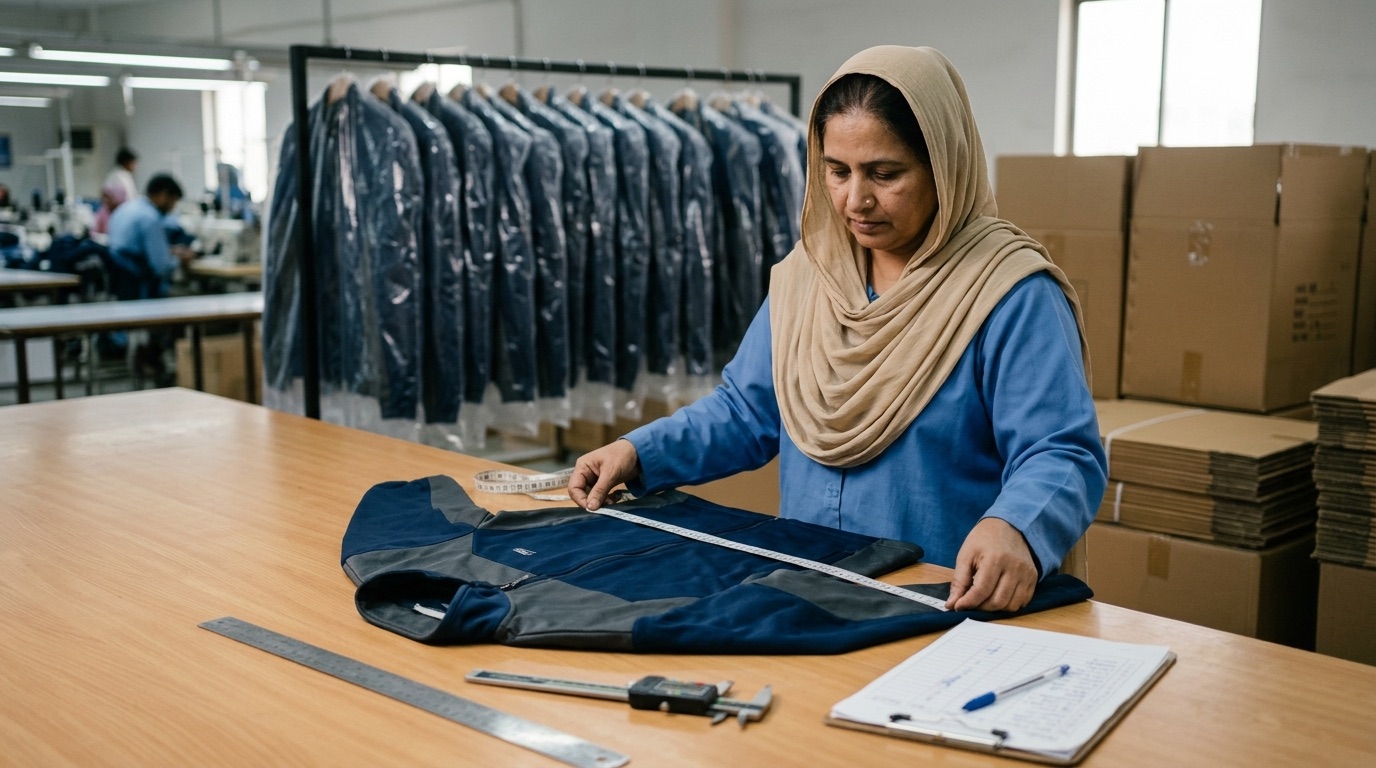 Quality Control Guide
Finishing changes how a garment looks, feels, measures, folds, and reaches the customer. A written standard helps production teams clean, press, shape, inspect, repair, and release each style consistently.
 Production Guide
A cut bundle carries pattern pieces from the cutting room into sewing. Clear identity and shade segregation help prevent mixed sizes, mismatched panels, missing pieces, and untraceable replacements.
 Production Guide
A cutting marker converts approved patterns and order quantities into a fabric-use plan. Buyers should confirm its assumptions before bulk cutting makes a width, direction, size, or allowance error difficult to reverse.
 Materials Guide
A trim card turns component choices into an identifiable approval record. It helps buyers and production teams distinguish the exact zipper, thread, elastic, rib, label, closure, and accessory intended for a style.
 Sampling Guide
A size set tests whether an approved base-size direction remains coherent across the ordered range. It should expose grading and size-specific problems before bulk production multiplies them.
 Quality Control Guide
A final inspection works best when the order, standards, finished quantity, packing status, sampling route, and release decision are clear before the inspector arrives—not reconstructed after a problem appears.
 Quality Control Guide
A quality check is more useful when everyone knows what happens after a defect is found.
 Quality Control Guide
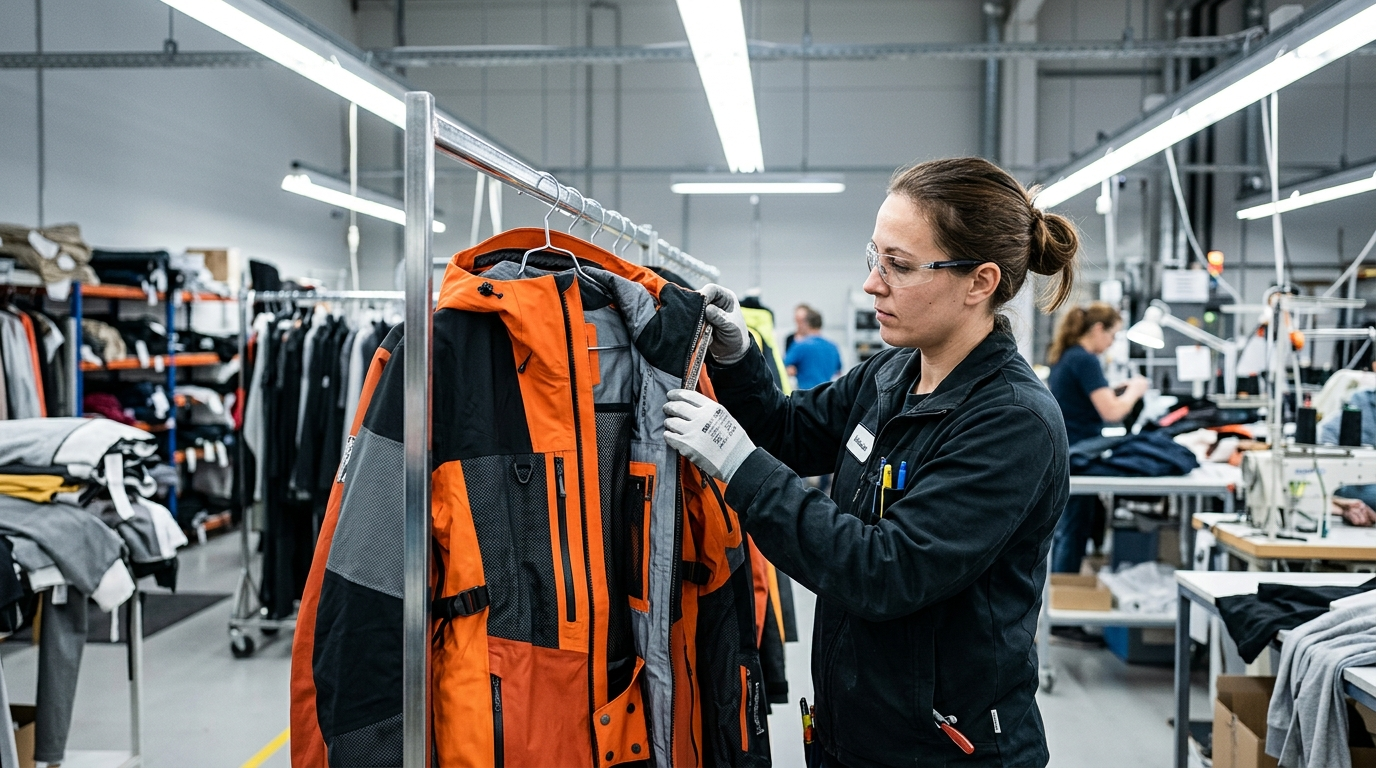
The first completed production piece is an early opportunity to confirm that approved product instructions have reached the line correctly. A documented review helps contain setup errors before they spread through bulk production.
 Quality Control Guide
An approved development swatch does not automatically release every production roll. A clear bulk-fabric review protects the product standard before cutting makes problems harder to contain.
 Buyer Planning Guide
A reorder is a new production decision, not a command to copy an old shipment blindly. This checklist helps brands preserve continuity while reconfirming everything that may have changed.
 Production Planning Guide
A pre-production meeting turns approved samples and documents into one practical line-start plan. Use this checklist to close open decisions, assign controls, and prevent conflicting instructions from reaching production.
 Production Planning Guide
A small change after sample approval can affect materials, patterns, artwork, testing, price, timing, inspection, and packing. A written change-control route keeps bulk production tied to one current decision set.
 Buyer Planning Guide
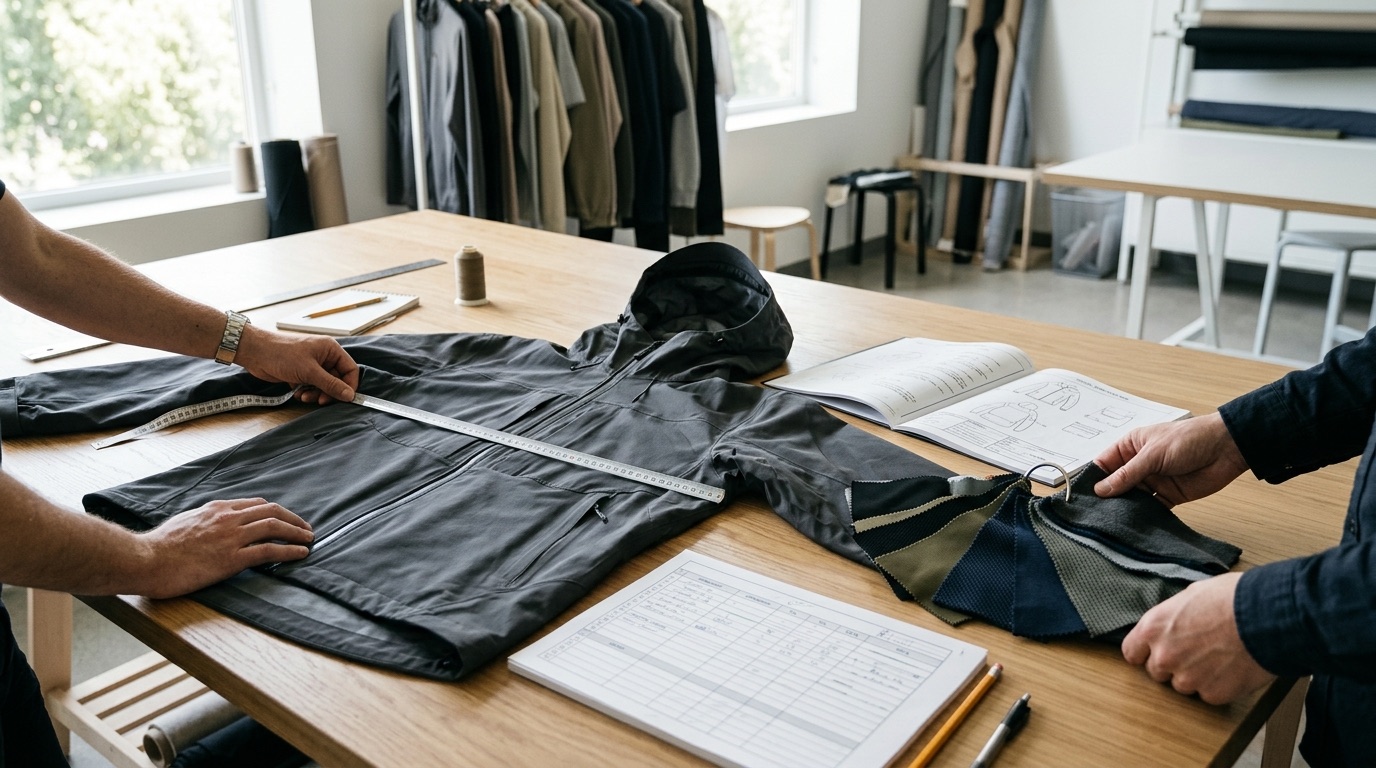
A revision log makes changes visible before they become conflicting instructions on the factory floor.
 Shipping & Export Guide
Destination labeling and documents need buyer-reviewed information before packing and shipment preparation.
 Shipping & Export Guide
Packing ratios should reflect the order matrix and receiving plan, not be decided at the end of production.
 Private Label Guide
A care label is a controlled product component, not text to add after sampling. Its wording, material, dimensions, placement, language variants, and proof must agree with the approved garment and destination plan.
Color Approval Guide
A color name or screen value is not enough to control an apparel program. Buyers need a physical or otherwise agreed standard, a material-specific proof, a repeatable review method, and one written approval record.
 Fit & Sizing Guide
A usable size chart does more than list numbers. It defines exactly where each garment measurement starts and ends, how sizes change, what condition is measured, and how the sample will be approved.
 Sourcing Guide
The lowest unit price is not always the lowest comparable offer. A useful quotation review aligns the product, quantity, evidence, service, packing, commercial basis, and unresolved assumptions first.
 Quality Planning Guide
A request to test the fabric is not a test plan. Buyers need to connect each product risk to a named property, method, target, sample condition, decision rule, and approval owner before development begins.
 Private Label Guide
OEM, ODM, and private label describe different parts of an apparel program. Choosing the right route starts with what the buyer already controls, what still needs development, and how every decision will be approved.
 Construction Guide
A garment sketch shows where style lines appear, but it does not tell a sample team how every panel should be joined, reinforced, finished, or checked. A construction map makes those decisions traceable.
 Product Development Guide
A useful apparel BOM is more than a list of fabric and trims. It gives every component a stable identity and connects specifications, colors, quantities, placement, approvals, and substitutions to one product revision.
 Sportswear Guide
A percentage of elastane does not define how sportswear will move or return to shape. Buyers need a controlled relationship between fabric, pattern, seams, elastic, activity, and sample evidence.
 Streetwear Guide
Oversized is a controlled relationship between width, length, shoulder position, sleeve shape, fabric behavior, and grading—not permission to enlarge every measurement by the same amount.
 Techwear Guide
A technical-looking pocket is not automatically functional. A production-ready specification connects every stored item and access action to dimensions, closures, hardware, reinforcement, materials, movement, and approval evidence.
 Ski Wear Guide
Insulation mapping is more than selecting one fill weight. A production-ready plan connects the climate brief and layer system to body zones, bulk, movement, venting, construction, and measurable sample decisions.
Hunting Apparel Guide
A useful hunting-apparel brief starts with the pursuit and field conditions, then translates them into decisions about layers, material noise, weather construction, mobility, storage, color, and validation.
 Teamwear Guide
A production-ready teamwear roster connects each player to the correct garment, size, name, number, colorway, quantity, and packing destination. Use one controlled matrix to prevent conflicting lists and late personalization errors.
 Decoration Guide
A logo file alone is not a decoration specification. Define the method, finished size, color references, exact placement, garment substrate, sample route, and approval record before decoration begins.
 Sourcing Guide
A useful MOQ discussion starts with the order matrix—not one collection total. Break the program into styles, fabrics, colors, sizes, trims, and approval stages before comparing manufacturing routes.
 Production Planning Guide
A production calendar works when it shows the decisions that must happen before the next activity can start.
 Shipping Guide
Clear shipping instructions connect the released apparel lot to the correct packing data, commercial documents, freight booking, handover point, and receiving destination.
 Quality Guide
A useful quality plan defines what will be checked, against which approved standard, when the check happens, who decides, and what follows a failed result.
 Materials Guide
A useful fabric specification turns a visual reference into measurable material requirements that can be sourced, sampled, compared, and approved in writing.
 Private Label Guide
A controlled packaging specification connects each garment to the correct brand components, sales data, assortment, carton, and warehouse receiving requirement.
 Apparel Sampling Guide
A sample cannot be reviewed properly if its revision, contents, and condition are uncertain on arrival.
 Private Label Development Guide
Hangtags and packaging are controlled brand components, not an afterthought after the garment is finished.
 Apparel Fit Guide
Useful fit feedback describes what changed, where it appears, and how the next sample should be checked.
 Private Label Development Guide
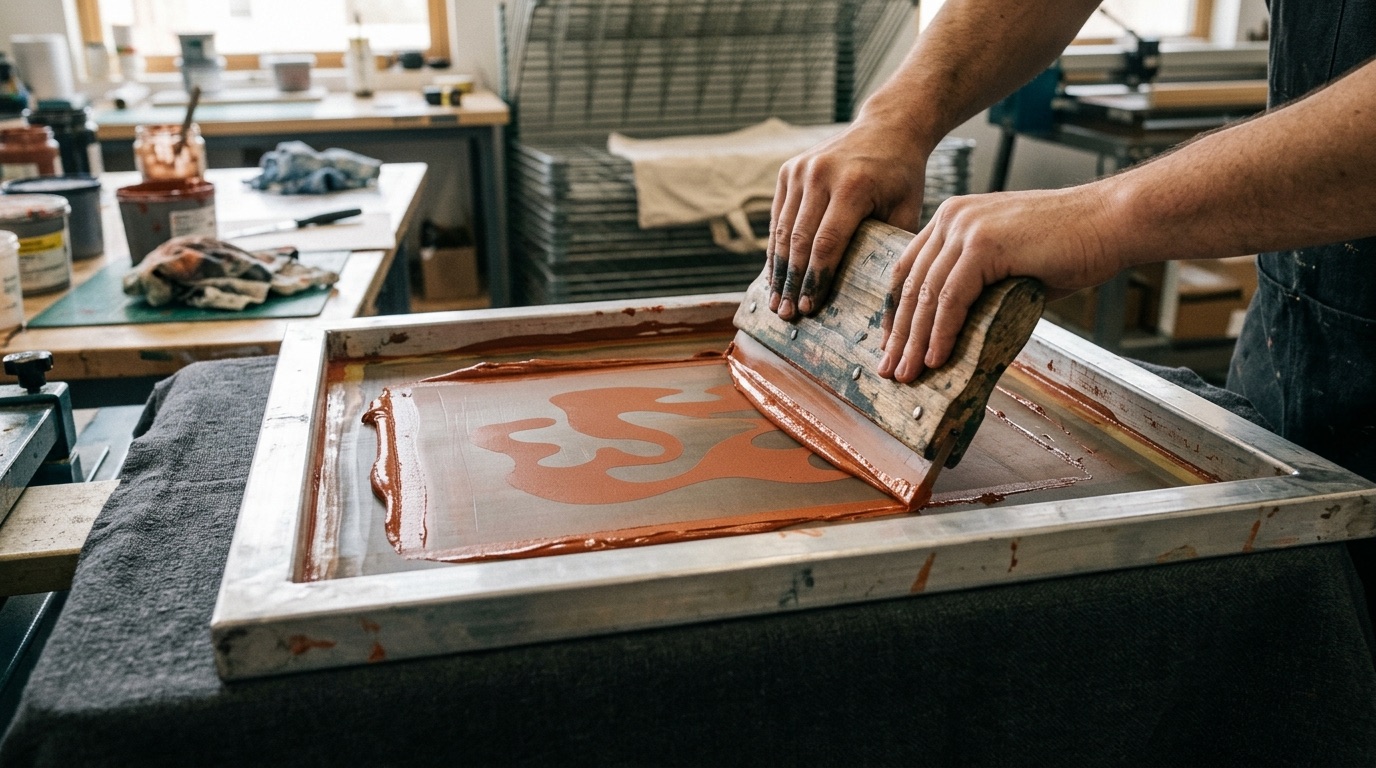
The right decoration method depends on the garment, artwork, placement, finish, and use—not only the logo file.
 Materials & Sourcing Guide
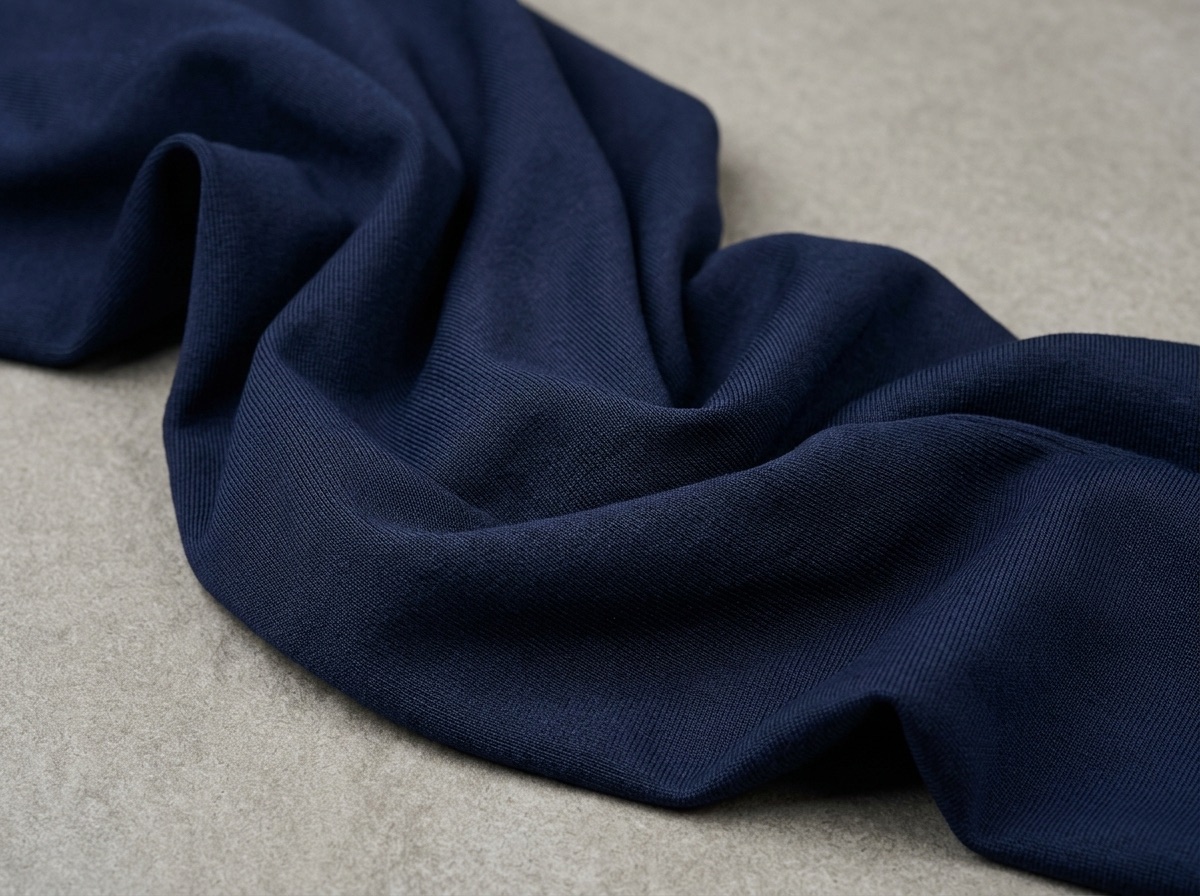
A fabric swatch can guide a project only when its identity and approval limits are recorded.
 Apparel Sampling Guide
A new-style sample request should explain what the sample must prove, not just what it should resemble.
 Sampling Guide
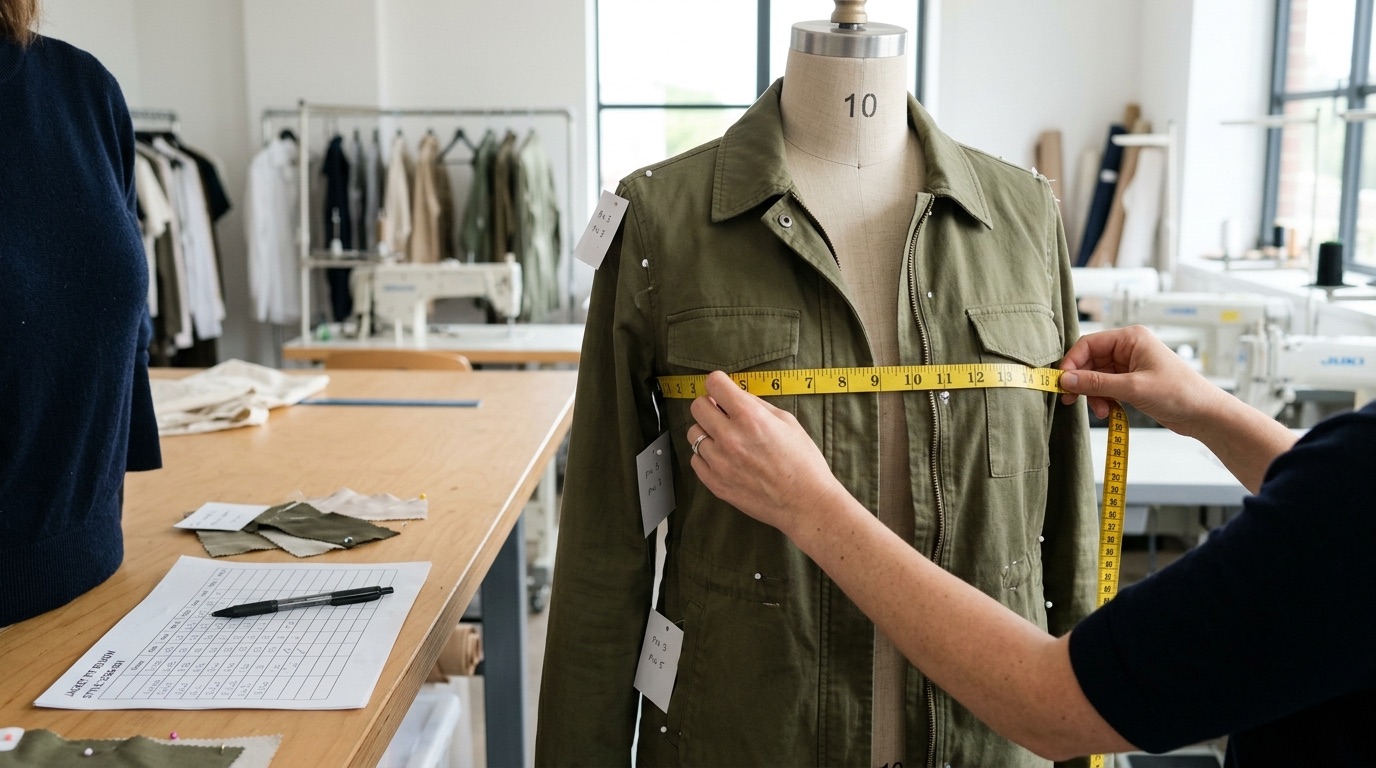
A disciplined sample review turns opinions into written decisions that a manufacturer can apply, verify, and carry into the approved bulk-production record.
 Buyer Planning Guide
A clear first brief turns a general clothing idea into questions a manufacturer can answer.
 Buyer Guide
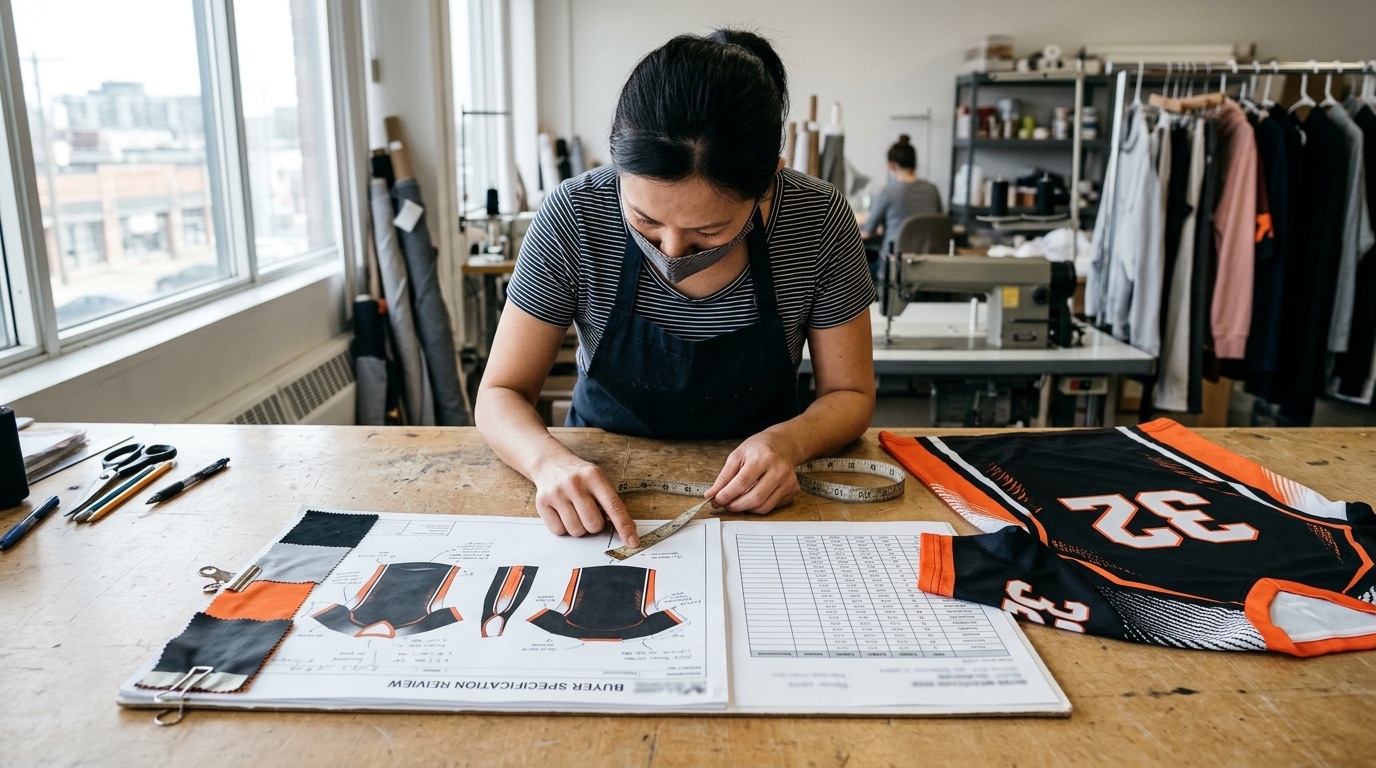
A quote-ready tech pack gives a manufacturer enough information to identify assumptions, plan development, and ask focused questions before sampling begins.