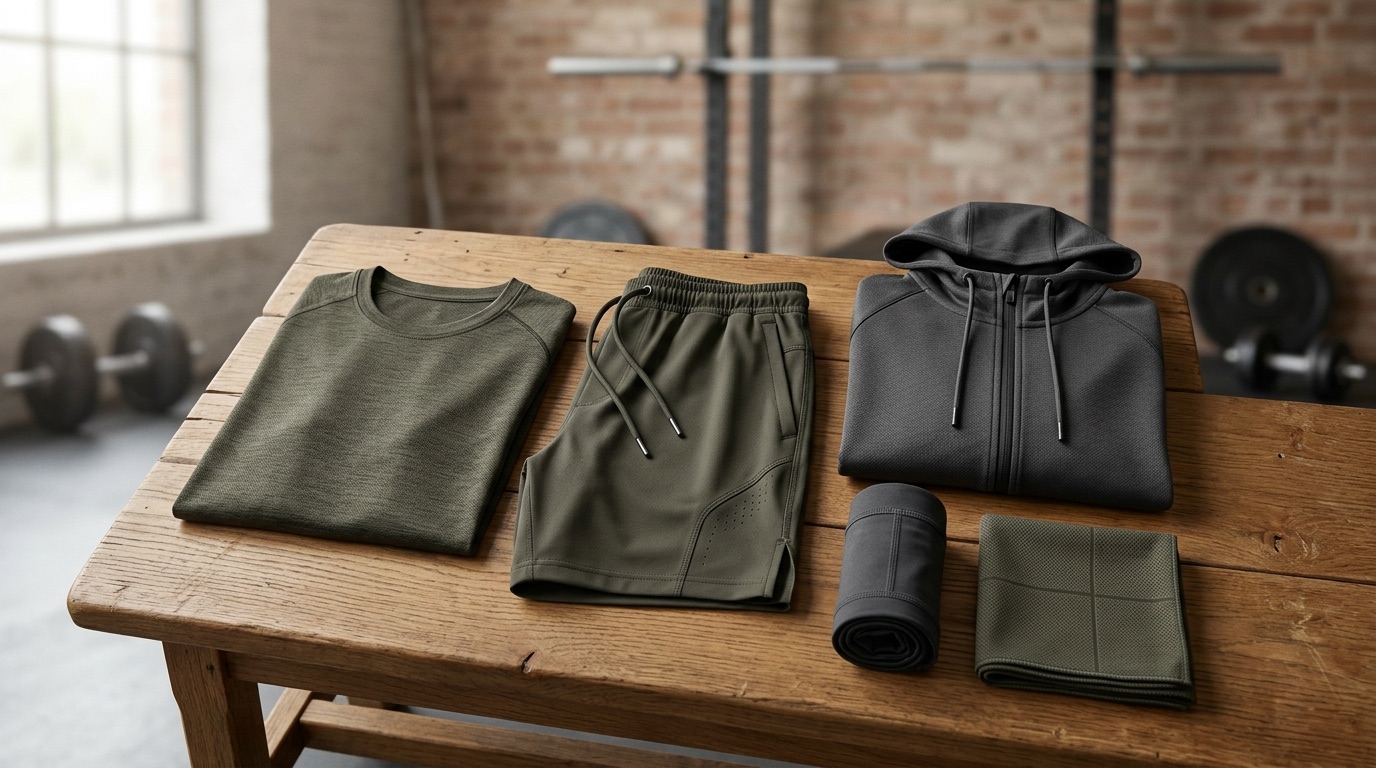
Adding mesh does not automatically make a sportswear product suitable for its intended use. The result depends on where the panel sits, how much body coverage it provides, which direction it stretches, how it joins the main fabric, what the wearer carries or layers underneath, and which appearance or performance decision the buyer expects the sample to prove. A generic note such as add breathable mesh leaves too many product choices undefined.
A controlled ventilation-zone specification links wearer activity, body area, panel geometry, material identity, coverage, construction, comfort, artwork, measurements, sample conditions, and any agreed evaluation or test. ZM Exports documents mesh lining and performance materials within made-to-spec sportswear development. Actual material performance, test values, panel effectiveness, comfort, fit, minimums, and bulk results remain product-specific and should be confirmed through approved samples and accepted project records.
Key takeaways
- Define the wearer, activity, garment layer, movement, environment, coverage requirement, and decision each mesh zone must support.
- Map exact panel boundaries and grade rules instead of describing a general underarm, side, back, or knee ventilation area.
- Specify mesh construction, weight basis, stretch, recovery, openness, color, hand, face, finish, and bulk-lot approval route.
- Review opacity, support, seam behavior, chafing, snag exposure, pocket and artwork conflicts, and size-dependent coverage on the worn garment.
- Approve the sample with named conditions and tests, then release the current zone, pattern, material, seam, measurement, and quality records together.
1. Define the wearer, activity, and ventilation decision
Name the product, wearer, activity, garment layer, fit intent, movement range, expected duration, climate or indoor setting, modesty requirement, underlayer, carried equipment, contact surfaces, wash route, and destination where relevant. State whether the panel is intended to reduce fabric coverage, support air exchange, reduce bulk, add stretch, provide lining, create a visual contrast, or combine several purposes. Do not convert those intentions into guaranteed performance claims without an agreed method and evidence.
List what the first sample must decide. The buyer may need to approve panel placement, size, shape, transparency, color relationship, hand, stretch, seam comfort, support, movement, artwork clearance, pocket access, or a comparative material option. Assign responsibility for the zone map, pattern, material selection, construction, fitting, wear review, testing, artwork, quality criteria, commercial impact, and written release.
- Use case
- Product, wearer, activity, layer, fit, movement, duration, setting, underlayer, equipment, and wash route are named.
- Panel purpose
- Coverage, air exchange, bulk, stretch, lining, contrast, or another product decision is explicit.
- Sample decision
- Placement, geometry, opacity, hand, stretch, comfort, support, movement, and visual approval are separated.
- Authority
- Design, pattern, material, fit, wear, test, artwork, quality, cost, and release decisions have owners.
2. Map exact panel boundaries and grade rules
Show every mesh or ventilation zone on front, back, side, inside, and detail drawings. Dimension the boundaries from stable pattern or garment reference points rather than using notes such as larger back panel or mesh underarm. Identify whether the zone replaces the main fabric, overlays it, sits underneath an opening, forms a lining, uses perforations, or combines more than one layer. Give each zone and pattern piece a stable code.
Define how the zone changes across sizes and whether its visual proportion, body coverage, functional position, seam path, opening, or artwork clearance should remain fixed or graded. Check the panel while standing and through the intended movement because an underarm, side, back-yoke, waistband, behind-knee, gusset, pocket, or hood zone can shift when the body bends or stretches. Record left-right symmetry and any deliberate asymmetry.
- Zone drawing
- Front, back, side, inside, section, and detail views show the complete panel and layer relationship.
- Dimensions
- Boundaries use stable garment or pattern references, measurements, curves, angles, and seam intersections.
- Construction role
- Replacement, overlay, underlay, opening, lining, perforation, or multi-layer purpose is explicit.
- Grade rule
- Size changes, proportion, coverage, position, symmetry, seam path, and artwork clearance are controlled.
3. Specify the mesh material and approved comparison basis
Identify the mesh by supplier or source where applicable, item code, fiber composition, construction, knit type, weight or mass basis, usable width, hole or opening structure, thickness, stretch direction and method, recovery basis, color, face and back, hand, surface, finish, dimensional behavior, and any treatment. Use an approved swatch or sample reference rather than relying only on words such as light, soft, athletic, cooling, or breathable.
Compare the mesh with the main fabric and complete garment assembly. Review color, shade, shine, texture, weight, drape, stretch, recovery, edge curl, seam feeding, opacity, support, moisture response, wash behavior, pilling or snag exposure, and contact feel where relevant to the product. If a measurable claim matters, agree the test method, specimen, condition, requirement, laboratory or equipment, report, and acceptance authority before presenting a result as proof.
- Material identity
- Source, item, fiber, construction, knit, weight basis, width, opening structure, thickness, color, face, and finish are traceable.
- Movement
- Stretch direction, method, recovery basis, edge behavior, drape, support, and dimensional response are reviewed.
- Material relationship
- Mesh and main fabric are compared for shade, shine, texture, hand, weight, seam response, wash, opacity, and wear.
- Evidence
- Any test or performance statement has a method, specimen, condition, requirement, result, report, and approver.
4. Control coverage, opacity, support, and visual exposure
Review the panel on the intended body area with the expected underlayer and movement. Check transparency at rest and when stretched, wet where relevant, placed over skin tone or contrast layers, and viewed under representative lighting. Define body-coverage boundaries, modesty requirements, undergarment visibility, branding exposure, and whether an added lining, double layer, smaller opening, denser construction, or revised zone is required.
Consider support and load. A mesh insert near a pocket, waistband, zipper, phone position, drawcord, seam intersection, or high-tension area may need a different construction or reinforcement than a decorative back panel. Confirm that the zone does not unintentionally expose seam allowance, labels, pocket bags, reinforcement, interlining, electronics, medical devices, or construction that should remain concealed. Record accepted visibility rather than leaving opacity to subjective memory.
- Viewing condition
- Lighting, underlayer, skin or contrast reference, rest, stretch, wet state where relevant, and distance are defined.
- Coverage
- Body area, modesty, undergarment, lining, label, pocket bag, reinforcement, and internal construction limits are explicit.
- Support
- Pockets, waistbands, zippers, cords, carried items, seam intersections, and high-tension areas are assessed.
- Approval evidence
- Photographs, sample identity, size, condition, comments, limits, and final decision preserve the visual standard.
5. Integrate stretch, seams, fit, and measurements
Align the mesh stretch direction and recovery with the movement and support expected from the adjoining fabric. Define grain or orientation, seam type, stitch type, seam allowance, thread, differential feed or handling basis, reinforcement, binding, elastic, tape, edge finish, topstitching, and assembly sequence where needed. Check seam extension, puckering, tunnelling, roping, waviness, grin-through, curling, bulk, and distortion on the production-intent material combination.
Review fit and measurements before and after movement, washing, conditioning, or another agreed sample treatment. A panel can change garment circumference, length, compression, support, drape, and recovery even when the pattern dimensions are unchanged. Confirm the measurement method when the mesh or adjacent seam must be relaxed, supported, stretched, or laid without tension. Update the pattern, measurement chart, grade rules, and tolerances together when the zone changes.
- Material direction
- Stretch, recovery, grain, face, opening direction, and adjoining-fabric relationship are controlled.
- Seam specification
- Seam, stitch, allowance, thread, feed, reinforcement, binding, elastic, tape, edge, and sequence are defined.
- Assembly quality
- Extension, puckering, tunnelling, roping, waviness, grin-through, curl, bulk, and distortion are checked.
- Measurement control
- Fit, chart, method, relaxation, support, grade, tolerance, treatment, and remeasurement remain aligned.
6. Review comfort, movement, snag, and wear interfaces
Evaluate the sample during the intended movements with attention to seam placement, edge pressure, chafing, scratch, cling, ride-up, folding, bunching, skin contact, and interaction with straps, pads, bags, benches, equipment, or outer layers. Check openings and mesh texture at the neck, underarm, side, waistband, gusset, knee, cuff, hood, and other sensitive zones. Record the wearer, size, underlayer, activity, duration, condition, observations, and decision.
Identify exposure to snagging, abrasion, hook-and-loop, zippers, rough equipment, fingernails, jewellery, wash hardware, and repeated dressing. Decide which evaluations or tests are required for the actual material and construction without inventing a universal pass level. Review hole growth, laddering, seam damage, surface change, pilling, stretching, and recovery after the agreed use or test. A softer or more open mesh is not automatically the better option if it cannot support the complete product requirement.
- Wear condition
- Wearer, size, layer, movement, activity, duration, environment, equipment, and observation method are recorded.
- Comfort zones
- Neck, underarm, side, waist, gusset, knee, cuff, hood, seams, edges, folds, and skin contact are reviewed.
- Exposure
- Snag, abrasion, hook-and-loop, zipper, equipment, jewellery, washing, dressing, and outer-layer contact are considered.
- Post-use review
- Hole growth, laddering, seam damage, surface change, pilling, stretch, recovery, and comfort are documented.
7. Coordinate artwork, trims, cutting, and production controls
Overlay the ventilation-zone map with prints, embroidery, transfers, reflective elements, labels, pockets, zippers, cords, reinforcements, and seam tape. Confirm whether artwork crosses the mesh boundary, changes with openings, requires backing, becomes visible from inside, or needs a solid-fabric interruption. Approve color and appearance on the actual substrate because ink, adhesive, stitch coverage, heat, pressure, and backing can respond differently on mesh and main fabric.
Carry the approved zone code and mesh material through the bill of materials, pattern, marker, cutting ticket, shade or lot control, bundle record, sewing instruction, first-piece review, in-line inspection, finishing, measurement check, repair, and final inspection. Protect small or open panels from stretching and snagging during cutting and handling. Define substitution rules, since a similar color or weight does not prove equal opening structure, stretch, opacity, hand, or seam response.
- Overlay review
- Artwork, reflectives, labels, pockets, zippers, cords, reinforcement, tape, seams, and zone boundaries do not conflict.
- Substrate proof
- Color, ink, adhesive, heat, pressure, stitch, backing, visibility, and surface response use the intended mesh.
- Production trace
- BOM, pattern, marker, cut, shade, bundle, sewing, inspection, finishing, measurement, and repair retain identity.
- Substitution
- Alternative source, construction, openings, stretch, opacity, hand, seam, evidence, impact, and approval are controlled.
8. Approve the sample and release the ventilation system to bulk
Review the sample against one current package: product brief, zone map, pattern, grade rule, material specification and swatch, color approval, seam and stitch instructions, artwork, measurement chart, wear comments, test plan and results, quality criteria, care information, and accepted exceptions. Give each point an explicit status such as approved, approved with conditions, revise, hold pending evidence, or rejected. Identify the sizes, colorways, materials, lots, and order scope covered by the decision.
Before bulk cutting, release the exact mesh code, source, color, face, orientation, zone and pattern revisions, seam construction, artwork interfaces, measurements, tests, approved sample, quality checks, substitution route, approver, recipients, and effective date. Verify the first production piece and any size-dependent zones before line continuation. Retain bulk-lot and inspection evidence, then reconfirm material availability, shade, behavior, and approved records for later colorways or reorders.
- Approval pack
- Brief, zone, pattern, material, color, seam, artwork, measurements, wear review, tests, quality, care, and exceptions agree.
- Decision scope
- Status, sizes, colorways, material, source, lot, conditions, evidence, order, and validity are named.
- Bulk release
- Codes, revisions, orientation, construction, interfaces, checks, sample, approver, recipients, and date are issued.
- Production verification
- First piece, size-dependent zones, bulk lot, inspections, substitutions, and reorder checks remain traceable.
To plan a ZM Exports sportswear mesh-panel sample, share the wearer and activity, garment layer and fit, exact zone drawings and grade intent, coverage and opacity requirements, preferred mesh and main-fabric references, stretch direction, seam and edge construction, artwork and pocket interfaces, underlayer and equipment, wear-review conditions, required tests, target sample date, and authorized approval contacts through the Request a Quote page or established project channel.