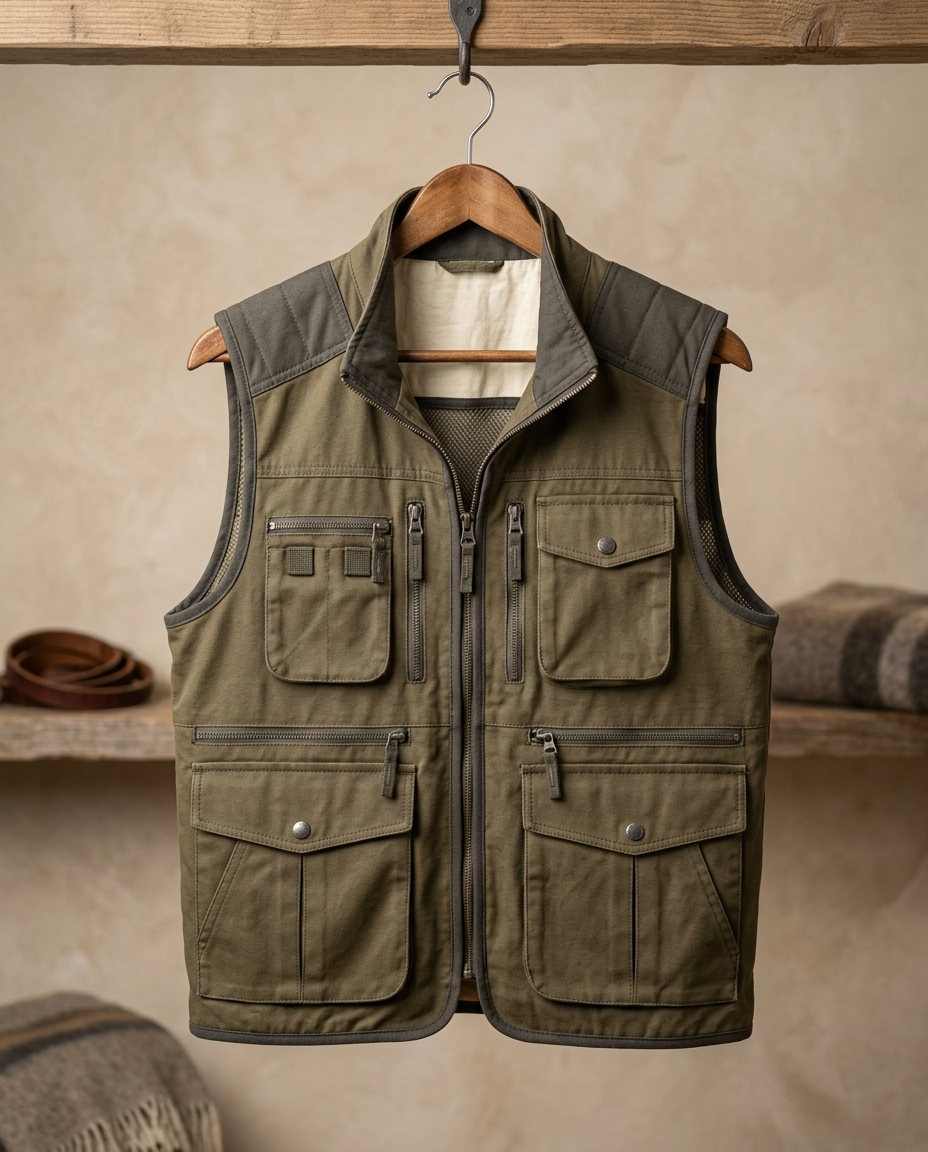
A snap fastener controls access, retention, appearance, opening force, closing feel, and the load carried by the surrounding garment. A note such as metal snaps on pocket flaps does not identify the closure locations, complete component set, size, material, finish, direction, mating relationship, post length, supporting layers, setting method, operating result, test evidence, or replacement rule. Components that look alike may not mate correctly, and an unsuitable setting can loosen, spin, cut the fabric, mark the face, or distort the opening.
A controlled snap-fastener specification connects the product use and closure action to the complete fastener set, garment materials, reinforcement, patterns, placement, setting tools, assembly sequence, operation review, tests, approved sample, and bulk controls. ZM Exports documents trim assemblies, construction details, samples, and quality checkpoints within made-to-spec apparel development. Actual components, suppliers, dimensions, finishes, setting parameters, tests, minimums, costs, lead times, and results remain project-specific and require written approval.
Key takeaways
- Map every snap location and state what the closure must retain, release, align, protect, or present.
- Approve the complete cap, socket, stud, post or eyelet set with its size, material, finish, mating relationship, and represented garment layers.
- Control placement, post length, reinforcement, hole preparation, setting tools, orientation, pressure basis, and operation sequence.
- Review opening, closing, retention, alignment, comfort, appearance, material damage, care response, and buyer-defined tests on the physical sample.
- Release the represented fastener set, materials, patterns, construction, approved sample, evidence, accepted alternatives, and first-piece checks together.
1. Define the closure use and approval decision
Identify the style, wearer, fit, size range, garment layer, intended activity, closure location, carried contents, access frequency, expected hand action, care route, destination, and development stage. State whether the snap closes a pocket flap, front placket, storm flap, cuff, collar, hood, waistband, leg opening, removable panel, equipment tab, or another buyer-approved feature. Separate ordinary garment closure intent from any retention, safety, weather, or performance claim that requires a named method and evidence.
Describe what the sample must prove: access, retention, opening and closing action, alignment, one-hand or glove use where relevant, comfort, pressure, surrounding material behavior, visual finish, noise, snagging, contact with contents or equipment, care response, repairability, and compatibility with other closures. Assign owners for design, trim selection, materials, pattern, reinforcement, setting, fit, testing, quality limits, cost, and written approval.
- Product context
- Style, wearer, size range, layer, activity, location, contents, care, destination, and stage are identified.
- Closure action
- Retention, access frequency, opening direction, hand action, alignment, and release behavior are explicit.
- Approval decisions
- Operation, comfort, appearance, damage, care, repair, and any required evidence are listed.
- Authority
- Design, trims, materials, pattern, reinforcement, setting, fit, test, quality, cost, and release owners are named.
2. Map every snap location and mating relationship
Show each snap on front, back, inside, open, and closed drawings. Give stable codes to every closure pair and distinguish the cap side from the socket, stud, post, eyelet, backing, reinforcement, washer, or other approved part. Mark the opening direction, garment face, component face, male-female relationship, quantity, spacing, and which panel overlaps. Use the same location codes in patterns, bill of materials, construction, sample comments, and inspection records.
Map the surrounding system: shell, lining, pocket bag, flap, facing, interlining, reinforcement patch, membrane or coating, insulation, binding, seam allowance, edge, fold, zipper, hook-and-loop, decoration, and carried item. Show how force moves from the fastener through the supported layers. Dimension clearances from edges, corners, seams, topstitching, folds, openings, other hardware, and hard contact points so the snap can be set, operated, inspected, and repaired.
- Location codes
- Every pocket, placket, cuff, collar, hood, waistband, opening, tab, and removable part is traceable.
- Mating map
- Cap, socket, stud, post, eyelet, backing, face, direction, pair, quantity, and overlap are explicit.
- Layer stack
- Shell, lining, bag, facing, fusing, patch, membrane, insulation, fold, seam, and decoration are identified.
- Geometry
- Spacing, edge distance, seam clearance, corner clearance, access, and relationship to other hardware are dimensioned.
3. Approve the complete snap-fastener component set
Record the complete fastener set by supplier or approved code where applicable, product family, nominal size, component names, mating combination, material, finish, color, surface, logo or plain face, cap shape, post type and length, operating direction, and approved physical sample. Do not approve a cap alone or mix visually similar parts without confirmation that the represented socket, stud, post, and setting route belong together.
Review the component set with the actual garment layers and use condition. Consider total compressed thickness, softness, stretch, recovery, weave or knit structure, coating, membrane, insulation, reinforcement, edge location, moisture direction, care process, pressing, abrasion, corrosion direction, plating or coating response, color transfer, skin contact, sharp edges, magnet or scanner requirements where buyer-specified, and finish consistency. Accepted alternatives need their own represented assembly review.
- Set identity
- Supplier or code, family, size, cap, socket, stud, post, eyelet, backing, and mating combination are controlled.
- Appearance
- Material, finish, color, surface, logo, shape, face direction, and approved physical standard are recorded.
- Layer compatibility
- Thickness, softness, stretch, coating, reinforcement, care, abrasion, corrosion, color, and skin contact are reviewed.
- Substitution
- Changes to any component, supplier, size, material, finish, post length, or setting route require written review.
4. Control placement, post length, and reinforcement
Dimension each snap center from stable pattern, seam, fold, edge, pocket, or placket references rather than from a movable finished edge alone. Define pair alignment, spacing, overlap, closed position, opening capacity, tolerance, left-right symmetry, and grade rule. Review the smallest and largest represented sizes, different pocket or flap sizes, and any size-group component rules so placement remains balanced and usable across the range.
Select post length and reinforcement for the actual compressed layer stack. Show the reinforcement shape, dimensions, direction, material code, adhesive or stitching where used, overlap, edge clearance, and which layers must be captured or kept free. Too little engagement can weaken the set, while excessive post length or unsuitable compression can allow movement, create a raised reverse side, distort the face, or damage the material. Approve the result on the represented assembly rather than from an isolated swatch alone.
- Placement
- Center references, spacing, overlap, alignment, tolerance, symmetry, closed position, and opening capacity are defined.
- Grade
- Placement, quantity, spacing, edge distance, access, and component rules are reviewed across represented sizes.
- Post and layers
- Post length, compressed thickness, engagement, reverse profile, captured layers, and excluded layers are controlled.
- Reinforcement
- Material, shape, direction, dimensions, attachment, overlap, clearance, and concealed appearance are specified.
5. Define hole preparation, setting, and assembly sequence
Specify whether the represented material requires a pre-punched hole or another approved preparation, and control the hole or cut basis, tool identity, position, support, waste removal, and acceptable material condition. Define the setting machine or approved equipment basis, upper and lower dies, component orientation, alignment, support surface, pressure or stroke reference where applicable, inspection frequency, and face and reverse appearance. Actual machine settings must be validated for the component and layer stack rather than copied from another style.
Document the sequence with cutting, reinforcement, fusing, pockets, flaps, plackets, seams, topstitching, decoration, labels, lining, insulation, seam sealing, binding, turning, and final closing. Preserve access for the setting dies and keep the garment supported so layers do not shift or mark. Prevent the operation from trapping a pocket, piercing an unintended layer, cutting reinforcement, crushing insulation, damaging a membrane, covering decoration, marking the opposite panel, or making inspection and replacement inaccessible.
- Preparation
- Hole or cut basis, tool, position, support, waste, layer condition, and material limits are defined.
- Setting setup
- Machine, dies, orientation, alignment, support, validated setting reference, and inspection frequency are controlled.
- Appearance
- Face, reverse, centering, compression, rotation, marks, burrs, cracking, distortion, and layer capture have limits.
- Sequence
- Reinforcement, pockets, seams, decoration, lining, insulation, sealing, binding, turning, and closing are coordinated.
6. Review operation, comfort, and appearance on the sample
Open and close every snap in the intended garment position, direction, and loading condition. Check engagement, audible or tactile confirmation where relevant, alignment, opening action, closing action, retention, rotation, one-hand or glove use if specified, access, overlap, pocket capacity, interaction with contents, nearby zippers or cords, and whether operation pulls or distorts the garment. One manual cycle is not evidence for an unstated durability or strength claim.
Inspect the outside and inside while open and closed. Review centering, spacing, symmetry, face direction, finish, shade, scratches, dents, loose or spinning parts, raised edges, incomplete setting, cracked or cut fabric, puckering, stretch-out, reinforcement show, reverse-side bulk, lining contact, pressure, abrasion, snagging, noise, and hard contact with the wearer or contents. Measure placement and affected garment points using the approved condition and method.
- Operation
- Engagement, alignment, opening, closing, retention, rotation, access, hand action, and interaction are checked.
- Material behavior
- Cutting, cracking, stretch, distortion, pull, compression, reinforcement, coating, and layer capture are reviewed.
- Comfort
- Pressure, abrasion, snagging, sharpness, reverse profile, lining contact, noise, and hard contact have limits.
- Appearance
- Centering, spacing, symmetry, face, finish, shade, marks, looseness, puckering, and reverse appearance are approved.
7. Agree tests, defect limits, and repair rules
Define each required component, assembly, or garment evaluation with its purpose, method or buyer protocol, specimen, zone, preparation, conditioning, opening direction, cycles or exposure, equipment, unit, target, tolerance, quantity, responsible party, report, and approver. Relevant checks may address opening and closing operation, attachment, retention or separation, rotation, dimensional change, abrasion, finish, corrosion direction, color behavior, care, or surrounding material damage where the product brief requires it. One result applies only to the represented set and assembly.
Write defect and repair limits before production. Cover wrong or mixed parts, mismatched pairs, incorrect direction, poor engagement, loose or spinning components, incomplete setting, off-center placement, wrong spacing, damaged finish, dents, burrs, sharp edges, cracked caps, cut fabric, weak reinforcement, exposed backing, puckering, distortion, lining capture, restricted access, and appearance. Define whether replacement is allowed, how holes and surrounding layers are assessed, permitted attempts, reinforcement restoration, reinspection, retest, and approval authority.
- Test definition
- Purpose, method, specimen, condition, direction, cycles, equipment, unit, target, tolerance, quantity, report, and approver are named.
- Defect standard
- Identity, mating, operation, setting, placement, finish, sharpness, material damage, reinforcement, and appearance have limits.
- Repair route
- Eligibility, removal, hole assessment, reinforcement, replacement, resetting, reinspection, retest, and appearance are controlled.
- Corrective action
- Repeated findings trace to component, post length, layers, preparation, dies, setting, placement, support, sequence, or training.
8. Release the approved snap-fastener system to bulk
Issue one current package containing the closure brief, location map, complete component sets, approved physical assemblies, materials and reinforcement, patterns, grade and placement rules, layer stacks, post lengths, preparation, setting setup, sequence, workmanship limits, measurements, operation comments, tests and reports, repair rules, approved garment sample, accepted alternatives, exceptions, approvers, recipients, and effective date. Remove superseded components, drawings, settings, comments, and samples from active use.
Verify the first production piece for each represented snap set, material combination, layer stack, size group, closure type, and high-risk location before broader line continuation. Check identity, finish, lots, storage, pairing, placement, reinforcement, holes, setting, operation, appearance, measurements, tests, repairs, and records. Revalidate substitutions, new colors or finishes, changed post lengths, material lots, pattern or sequence changes, die or machine changes, revised sizes, later orders, and components held beyond their approved condition.
- Release pack
- Map, component sets, assemblies, patterns, grades, layers, reinforcement, setting, tests, and garment sample agree.
- First-piece gate
- Each snap set, material combination, layer stack, size group, closure type, and critical location is verified.
- Bulk control
- Lots, storage, identity, pairing, placement, preparation, setting, operation, inspection, tests, repairs, and holds remain traceable.
- Revalidation
- Component, supplier, finish, post, layer, pattern, size, die, machine, sequence, care, or reorder changes trigger review.