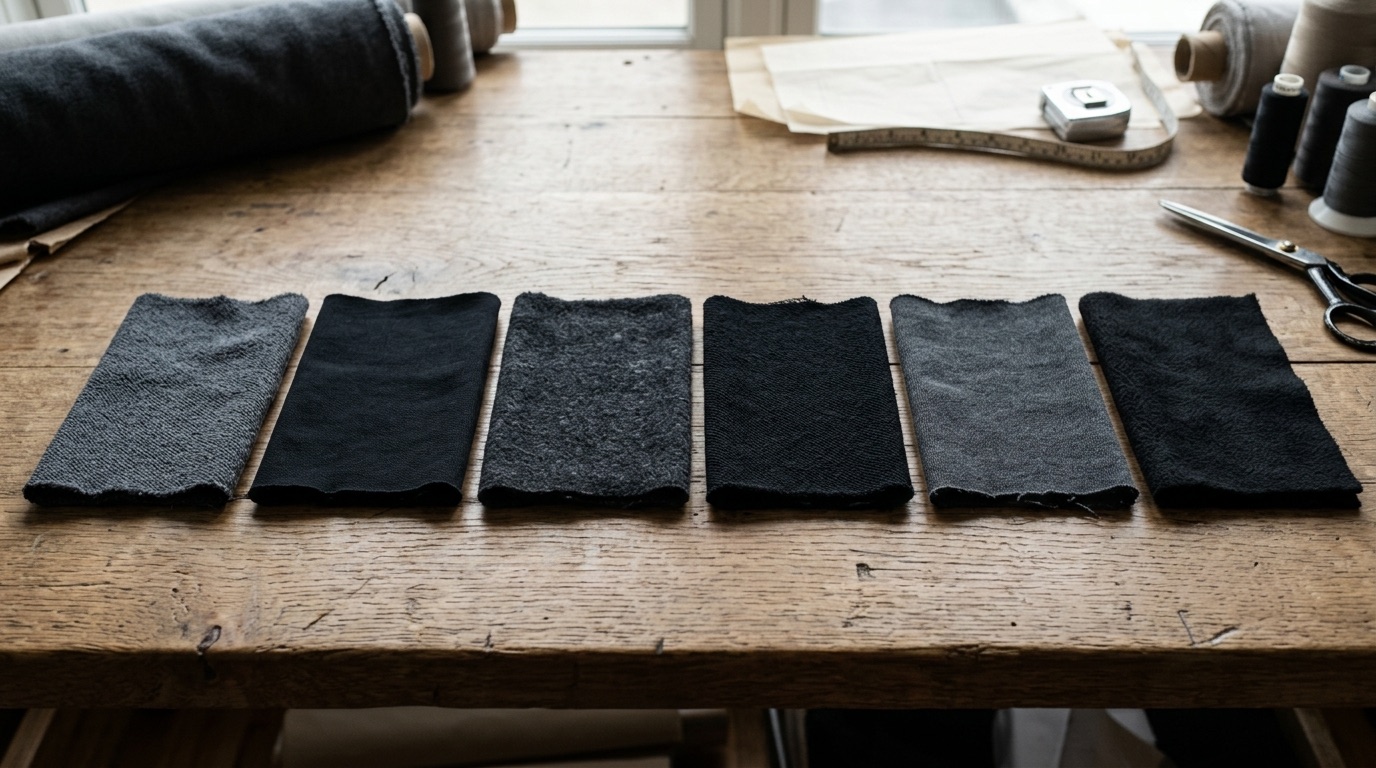
A wash or distressed finish can change the garment's color, surface, handfeel, dimensions, seam appearance, edge character, decoration, and component performance. A label such as vintage wash, faded black, soft wash, or distressed finish does not tell a sample team how much change is intended or where the acceptable boundaries sit. A reference photograph may communicate mood, but lighting, editing, fabric, construction, and prior wear make it unsuitable as the only production standard.
A controlled approval route connects the design intent to the actual material, garment construction, finish process, physical reference, measurements, component compatibility, testing, shade range, workmanship limits, and bulk-lot evidence. ZM Exports documents garment-wash and distressed-finish routes by approved sample for made-to-spec streetwear. Actual methods, chemistry, facilities, minimums, color response, performance, compliance evidence, cost, timing, and repeatability remain style- and project-specific and must be confirmed in accepted project records.
Key takeaways
- Define the visual and tactile result with controlled physical references, not only a wash name, digital image, or marketing description.
- Approve the base fabric, color, thread, rib, labels, decoration, hardware, and construction as one complete system before bulk.
- Measure and review the garment before and after the approved process so fit, grading, shrinkage, twisting, and placement remain controlled.
- Set an acceptable shade and appearance range with named defect limits, tests, sample conditions, and approval authority.
- Release the exact process revision, approved sample set, measurement basis, bulk checks, and change-control route together.
1. Define the finish intent and approval decision
Name the style, wearer, fit, product category, colorway, material package, intended market, care route, and commercial stage. Describe what the finish should change—such as color depth, contrast, surface character, hand, drape, seam definition, edge appearance, or deliberate local wear—and what must remain unchanged. Separate an aesthetic direction from any durability, softness, colorfastness, dimensional-stability, or performance claim that requires an agreed evaluation or test.
State what the first processed sample must decide. The buyer may need to compare finish intensity, shade, cast, highs and lows, seam or edge character, placement of local effects, handfeel, measurements, fit, twisting, artwork response, label readability, hardware appearance, or compatibility with a later operation. Assign responsibility for design, material, process development, measurements, testing, quality limits, cost review, and written approval.
- Style context
- Product, wearer, fit, colorway, material, construction, care, destination, and order stage are identified.
- Intended change
- Color, cast, contrast, surface, hand, drape, seams, edges, or local distressing has a defined direction.
- Protected result
- Fit, strength, stretch, artwork, labels, hardware, and other unchanged requirements remain visible.
- Decision owners
- Design, technical, material, process, test, quality, commercial, and release responsibilities are named.
2. Create a controlled physical finish standard
Build the approval around a physical garment, panel, or swatch that represents the intended material, color, construction, and process. Give every submission a stable sample number, style, size, colorway, base-material lot, process revision, date, and status. Photograph the standard under a defined lighting and viewing condition for communication, but keep the physical reference as the primary appearance evidence where the accepted project route requires it.
If natural or process variation is expected, approve a range rather than one impossible exact point. A range set may show the lightest and darkest acceptable shade, minimum and maximum surface effect, allowed seam contrast, distress placement, edge exposure, or other relevant boundaries. Mark each reference clearly and state which differences remain unacceptable even when the overall visual direction appears close.
- Reference identity
- Sample, style, size, color, material lot, process revision, date, image, holder, and status are traceable.
- Viewing condition
- Light source, angle, distance, background, garment condition, and comparison order are defined.
- Range set
- Light and dark shade, effect intensity, seam contrast, local placement, hand, or other boundaries are physical.
- Exclusions
- Unwanted cast, patchiness, streaking, damage, placement, exposure, or component change is recorded explicitly.
3. Approve the base material and color route
Identify the main fabric and every contrast, rib, lining, pocketing, reinforcement, binding, tape, elastic, thread, and interlining by source or code where applicable. Record composition, construction, weight basis, face and back, color route, finish, stretch, recovery, thickness, hand, and approved lot or swatch. A process developed on one fabric quality or dye route should not automatically approve a visually similar replacement.
Evaluate the material before and after the represented process. Review shade, cast, surface, pilling direction, abrasion or damage, strength direction, stretch and recovery, shrinkage or growth, spirality or skew, edge curl, delamination, coating response, and handfeel where relevant. Choose only the tests and acceptance rules that the product and buyer require. Keep supplier information, internal trials, and laboratory evidence connected to the exact material and process they represent.
- Material identity
- Source, code, composition, construction, weight, face, color, finish, stretch, thickness, and lot are controlled.
- Color basis
- Base dye or shade, approved reference, process response, cast, contrast, and lot relationship are recorded.
- Dimensional behavior
- Shrinkage, growth, skew, spirality, stretch, recovery, relaxation, and pattern compensation are reviewed.
- Evidence scope
- Trials and tests apply only to the represented material, color, process, condition, and specimen.
4. Review construction, trims, decoration, and branding
Process the complete production-intent assembly before release where the finish can affect joined components. Check seam and stitch appearance, thread shade, puckering, roping, abrasion at raised areas, rib response, elastic recovery, pocket shape, zipper tape, snaps, rivets, cords, toggles, labels, patches, interlining, bonding, and reinforcements. Identify which parts are attached before or after the finish and how that sequence changes appearance or risk.
Approve print, embroidery, transfers, appliqué, badges, reflective elements, main labels, size labels, care information, hangtags, and variable data in the correct sequence. The process may alter color, adhesion, legibility, surface, edge, thread, backing, or placement. If an item cannot enter the finish process, show its later attachment route and confirm that the final operation does not create a visual mismatch or damage the approved garment.
- Construction
- Seams, stitches, allowances, edges, pockets, rib, elastic, reinforcement, and shape are checked after processing.
- Components
- Zippers, snaps, rivets, cords, toggles, thread, binding, lining, interlining, and hardware retain the required result.
- Decoration
- Print, embroidery, transfers, patches, reflectives, adhesives, backing, and placement follow the approved sequence.
- Brand data
- Labels, care copy, size, origin, barcodes, and other information remain correct, legible, and attached as specified.
5. Control measurements, fit, and grading after finishing
Measure the sample before processing and after the specified conditioning, drying, cooling, and rest period. Use the current points of measurement, method, tolerance, and garment state. Record actual change by direction and location rather than relying on one overall shrinkage percentage. Body length, width, sleeve, inseam, rise, openings, rib, pocket placement, hood, and panel relationships can respond differently.
Review fit and movement in the state the customer will receive. Confirm whether the released pattern and grade already include the approved dimensional compensation, and prevent the same adjustment from being applied twice. Check the smallest and largest planned sizes when the finish, construction, or fit creates size-dependent risk. If the process changes fabric hand or drape, reassess silhouette, balance, ease, pocket access, artwork placement, and set coordination rather than approving measurements alone.
- Measurement state
- Pre-process, post-process, drying, conditioning, rest, tension, method, and timing are defined.
- Location data
- Length, width, openings, rib, pockets, panels, skew, twist, and left-right balance are recorded separately.
- Pattern basis
- Compensation, grade, tolerance, and approved finished measurement use one controlled calculation route.
- Fit review
- Silhouette, balance, ease, movement, drape, placement, pocket access, and coordinated pieces are checked.
6. Define process records, tests, and responsible controls
Document the approved process through the information necessary to reproduce and audit the result without publishing unsafe or uncontrolled operating instructions. The responsible production record may identify the process supplier or facility, equipment route, load basis, material and garment condition, approved sequence, time and temperature controls where applicable, products or chemistry by controlled reference, water or treatment stages, drying route, safety documentation, trial identity, and accountable operator or supervisor.
For each required check, state the purpose, method or buyer protocol, specimen, preparation, condition, cycles or exposure, equipment, unit, target, tolerance, sample quantity, responsible party, report format, and acceptance authority. Relevant checks may address dimensional change, color behavior, crocking or transfer, appearance after care, pilling, abrasion direction, seam condition, component compatibility, decoration durability, or another buyer-defined outcome. Do not use one generic pass statement for several different decisions.
- Process revision
- Facility, equipment route, load, garment state, sequence, controlled inputs, drying, trial, date, and responsibility are linked.
- Safety and compliance
- Required product, chemical, worker, environmental, and destination evidence is assigned to qualified parties.
- Test definition
- Method, specimen, preparation, condition, cycles, equipment, unit, target, tolerance, quantity, and report are named.
- Approval boundary
- Appearance, dimensions, color, surface, components, care, and performance decisions remain separate and explicit.
7. Set bulk variation, defect, and repair limits
Translate the approved range into practical inspection criteria. Define how shade and cast are compared, how many positions or garments are reviewed, how lot or batch identity is maintained, and how the sample is selected across sizes, colors, production time, and process loads. Record acceptable natural variation separately from stains, uneven processing, unwanted streaks, fold marks, pressure marks, excessive abrasion, holes, broken stitches, distorted seams, local damage, or a result outside the approved range.
Set the response before a bulk exception occurs. Identify when garments are held, segregated, reprocessed, repaired, downgraded only if the buyer explicitly permits it, resampled, retested, or rejected. Define the number or type of reprocess attempts allowed where relevant and review whether another cycle could alter dimensions, strength, color, surface, artwork, labels, or components. Track recurring findings back to material lot, loading, preparation, equipment, process control, handling, or inspection.
- Variation check
- Shade, cast, intensity, surface, hand, seams, edges, placement, and batch relationships use approved references.
- Defect limits
- Stain, streak, patch, mark, hole, abrasion, stitch damage, distortion, component change, and range failures are defined.
- Containment
- Affected style, color, size, material lot, process batch, quantity, location, and status remain identifiable.
- Reprocess route
- Eligibility, attempts, method, remeasurement, retest, appearance, approval, and rejection rules are written.
8. Release the approved finish to bulk production
Issue one current release containing the style and colorway, product brief, finish description, physical standard and range set, approved sample, material and component references, construction and decoration sequence, process revision, measurement method and results, pattern compensation, tests and reports, quality limits, reprocess rules, packing considerations, exceptions, approvers, recipients, and effective date. Remove superseded samples and files from active use.
Verify the first bulk result before continuing the full lot, then maintain checks at the buyer-approved frequency across process loads and production time. Reconcile finished, held, reprocessed, rejected, sampled, and released quantities. Any change to fabric, dye route, color, component, supplier, facility, equipment, load, process input, sequence, drying, pattern, construction, decoration, test method, or approved range should identify the affected decisions and required resample or revalidation before use.
- Release pack
- Brief, standard, range, sample, materials, sequence, process, measurements, tests, quality, reprocess, and exceptions agree.
- First-bulk gate
- The represented material, color, components, construction, process, and finished result are checked before continuation.
- Lot traceability
- Material, color, process batch, size, quantity, inspection, test, hold, reprocess, rejection, and release remain connected.
- Change control
- Material, supplier, facility, equipment, process, pattern, component, decoration, or evidence changes trigger defined review.
To plan a ZM Exports streetwear finish sample, share the style and fit brief, base fabric and color references, desired physical finish standard or inspiration, acceptable appearance range, complete trims and decoration package, finished measurements and tolerances, required care and tests, destination requirements, target sample date, and authorized approval contacts through the Request a Quote page or established project channel.