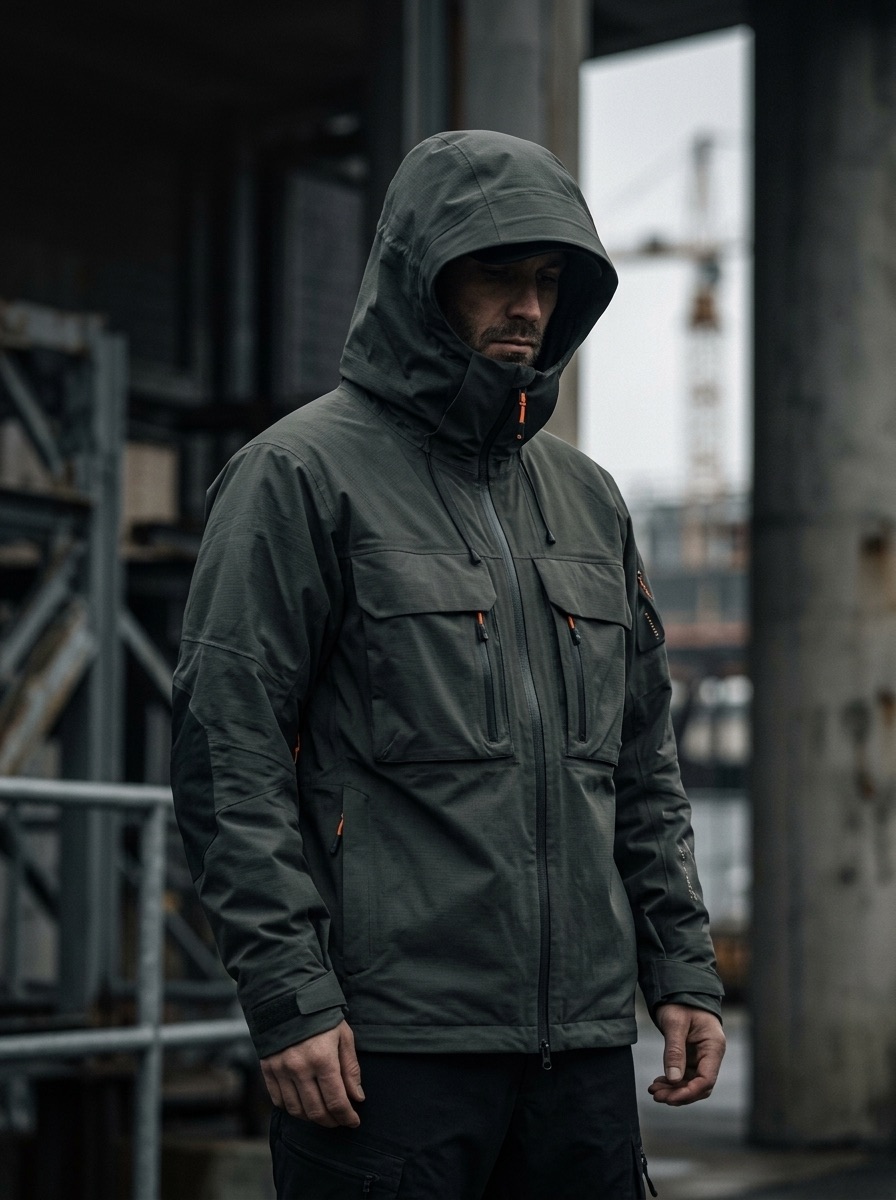
A techwear pocket-access map records the intended carried item, pocket position, opening route, closure, layer interaction, component reference, and movement condition for every proposed storage point. A buyer gets a clearer result when this decision is recorded before sampling instead of being left to an informal message or a visual reference alone.
This guide is a practical planning aid, not a substitute for the accepted quotation, approved sample, or written project specification. ZM Exports works from buyer-approved inputs; final materials, methods, quantities, prices, lead times, and delivery requirements remain project-specific.
Key takeaways
- Name the use of every pocket.
- Map access and closure direction.
- Check carried-item interaction on sample.
- Keep current pocket notes with the sample record.
1. Define the decision before requesting work
A techwear pocket-access map records the intended carried item, pocket position, opening route, closure, layer interaction, component reference, and movement condition for every proposed storage point. Start by identifying what is fixed, what is still being compared, and who can approve the decision. A concise written brief prevents a sample from answering the wrong question.
Give the style or project a revision name and date. Keep images, comments, measurements, and files connected to that same revision so an older idea is not accidentally treated as the current instruction.
2. Supply inputs that can be checked
List the carried items, dimensions, access hand, pocket views, layer context, opening and closure direction, hardware, lining, panel location, size range, and intended use tasks.
Where a visual direction is important, identify the reference, the feature to copy or avoid, and the acceptable range. A photograph alone rarely defines construction, material behaviour, scale, colour, or finish well enough for production use.
3. Use the sample to answer the right questions
Check reach, opening operation, retention, carried-item bulk, closure clearance, lining, panel distortion, and movement. Review the complete garment rather than judging an isolated pocket detail.
Record comments against the actual sample or proof version. State whether a comment changes fit, material, construction, decoration, packing, or only a presentation detail, then issue the next revision in writing.
4. Release the approved direction with control
Approve the storage map with current sample IDs and component notes. Reopen the relevant decision when the intended item, closure, panel, material, or fit changes.
Any change to the approved input can affect the result. Re-open the affected review when the material, component, artwork, size range, quantity split, destination, packaging, or production method changes.